
Introduction
Pulses have been a crucial part of the diet in many contemporary and ancient societies since the early domestication of plants around 12,000 years ago (Caracuta et al., 2015). In particular, Lens culinaris Medik. (lentil) was likely the first pulse to be domesticated in Southwestern Asia (Kabucku, 2023; Liber et al., 2021; Lucas & Fuller, 2020). Despite the challenges in identifying legumes in the archaeobotanical record (Tarongi et al., 2024), the presence of lentils in the Central Mediterranean’s diet is well documented from the initial spread of the domestic species as one of the “founder crops” (Speciale, 2023).
Lentils became increasingly common and widespread during the Bronze Age (2200-800 BCE), likely beginning around that time with modifications that led to adaptations to local microclimatic conditions and the emergence of several landraces, especially in isolated areas (Piergiovanni, 2000). In fact, Lens culinaris adapted to a wide range of soils, including those with low fertility, though it tends to prefer well-drained soils. On calcareous soils, lentils develop a hard coat, which results in longer cooking times (Iliadis, 2003). Lentils also adapted to very different environments in the Central Mediterranean, ranging from the hilly interior of the Mila province in Algeria, to the mountainous landscape of the Apennines in Norcia (Umbria), and down to the coastal farmlands of the volcanic islands around Sicily (Zaccardelli et al., 2012).
Lentils are even today a particularly significant food, especially in Indian and Mediterranean cuisines, due to their macronutrient content (carbohydrates and proteins) (Faris et al., 2013; Liber et al., 2021). In fact, more than 25% of the calories in lentils come from proteins, they are rich in both soluble and insoluble fibers, and help reduce the risk of heart disease and stabilize cholesterol and blood sugar levels.
Lentils also play a key role in particular Mediterranean dishes prepared for special occasions, such as New Year’s Eve. The traditional preparations in the Italian peninsula is rich and vary by region, even if Italy is often neglected in the global reviews (e.g., Shaikh et al., 2024): in Northern Italy, lentils are typically eaten with meat; in Central Italy, they are combined with cereals; and in Southern Italy, they are served with pasta or other legumes (Piergiovanni, 2000). Italy was one of the major producers of lentils during the 20th century, but recently, local production has decreased in favor of imports, with the majority coming from North Africa (around 80%) during the 1990s (Piergiovanni, 2000). Today, Canada has become the leading global exporter of lentils, offering products that are often more affordable (Kaale et al., 2023). The trend is expected to continue, with projections for increased market growth over the next 20 years.
In contrast, the small Mediterranean islands have become unique repositories of crop biodiversity, preserving rare and specialized landraces. These varieties, developed by farmers over the centuries in regions where rainfall and water availability can be limited, diverge from the more commonly cultivated varieties that are increasingly dominating the international market. More generally, plant genetic resources on small islands are of high interest, enhanced by the conservation of traditional agricultural practices (Hammer & Laghetti, 2006; Médail & Pasta, 2024). However, the risk of rapid genetic erosion has been repeatedly highlighted (e.g., Hammer & Laghetti, 2005; Piergiovanni, 2000).
The small islands around Sicily are crucial for the study, conservation, and circulation of crop species that arrived on them as part of a culinary kit when human communities moved there. Even archaeobotanical studies of the Bronze Age on the Aeolian Islands have revealed the presence of many crop species since prehistoric times (end of the 3rd millennium BCE, Speciale, 2021; Speciale et al., 2016). Unfortunately, agriculture on Sicily’s smaller satellite islands has suffered a sharp decline, leading to the loss of cultivated and related natural diversity, in some cases irreparably, as seen on Lampedusa (Di Lorenzo et al., 2010; La Mantia et al., 2011) or the Egadi Islands (La Rosa et al., 2021), where the cultivation of vines, wheat, and vegetables has nearly disappeared.
On the islands where lentils are cultivated today, contradictory phenomena are observed. For example, in Pantelleria, the prized zibibbo grape variety is highly valued, while other crops, including lentils, show only modest signs of revival (Aumeeruddy-Thomas et al., 2024). In Linosa, agriculture shows clear signs of distress due to the inability to restore soil fertility, which was once maintained by the supply of manure. The disappearance of domestic animals has disrupted the traditional barley-lentil-prickly pear-cow system (La Mantia & Pasta, 2015; Pasta et al., 2015). On Ustica Island, the cultivation of Lens culinaris is particularly important to the local community, which maintains a very traditional approach to its cultivation and harvesting (Hammer & Laghetti, 2006). Growing lentils has even revitalized agriculture on the island, with the Ustica lentil recognized as a Slow Food presidium (Slow Food Foundation for Biodiversity, 2025).
Agriculture in the Aeolian Islands was once highly diversified, adapted to the distinct environmental conditions of the islands within the archipelago. Vines and capers were the primary crops, and there was also a rich and varied fruit cultivation (Lo Cascio & La Mantia, 2013). Today, the abandonment of agriculture, a common trend on many islands where tourism has supplanted traditional farming, remains evident. However, there are signs of revitalization for certain crops, such as vines and capers.
Finally, previous research has analyzed landraces of Lens culinaris from Ustica, Pantelleria, and Linosa, identifying them as genetically similar (Sonnante & Pignone, 2007). Traditional cultivation practices and historical connections between the small islands are also well-documented (e.g., Tonelli et al., 2016). For example, the re-colonization of Ustica by Lipari inhabitants in the mid-18th century and further migration from the Aeolian Islands to the Pelagie Islands in the late 19th century attest to this historical connectivity.
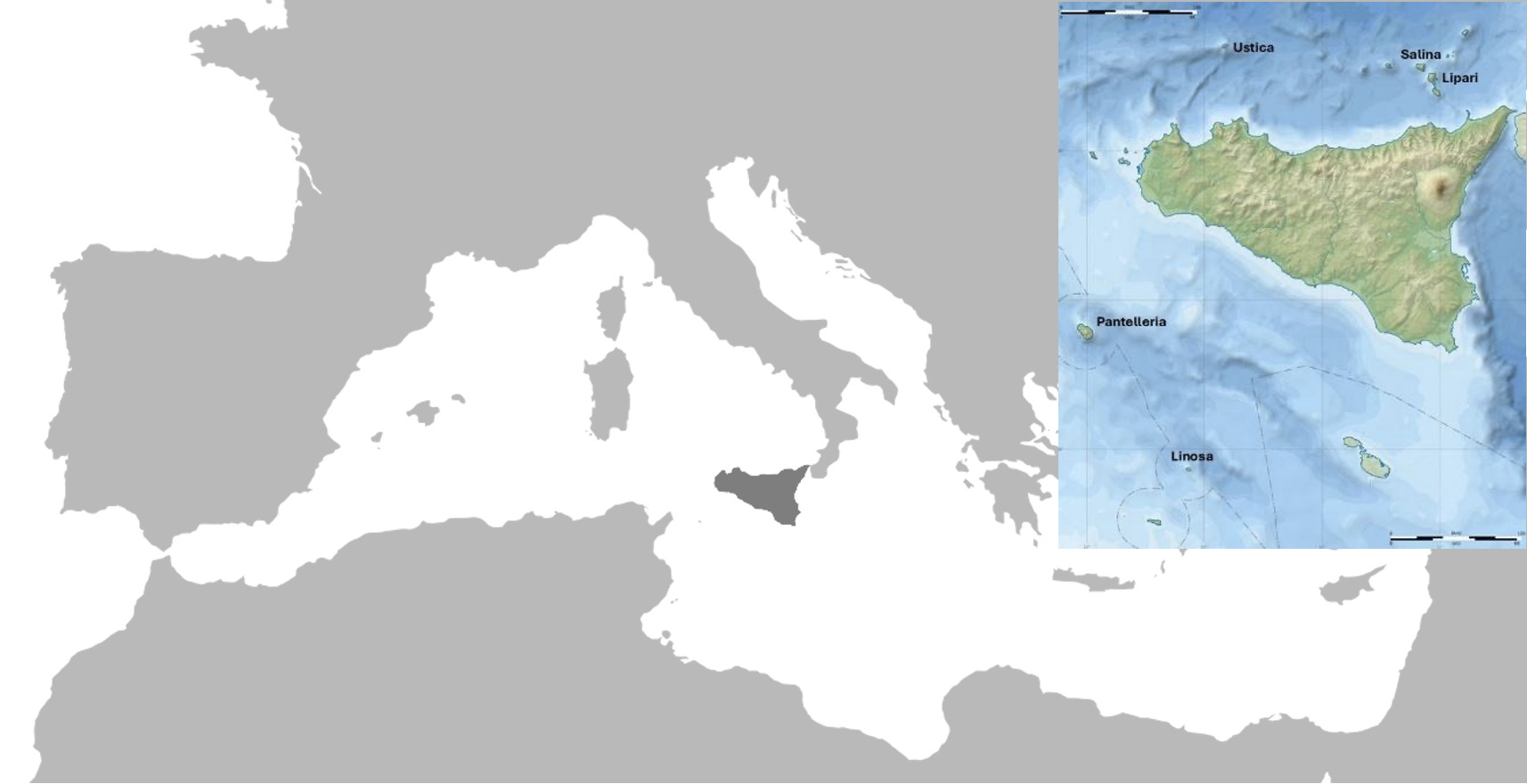
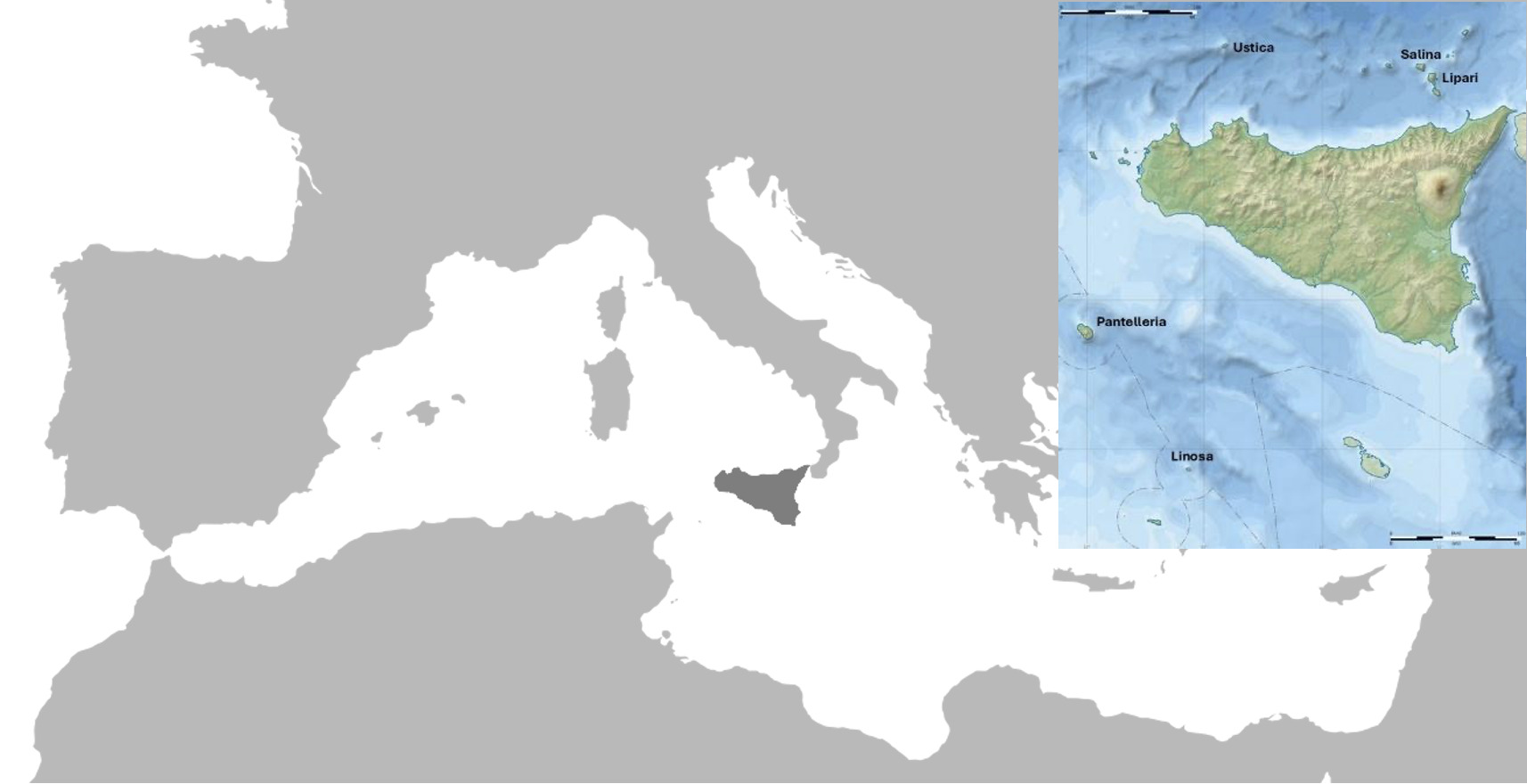
The aim of this paper is to present the results of an inquiry into the current Indigenous and Local Knowledge (ILK) of lentils on the small islands around Sicily (Lipari, Salina, Ustica, Pantelleria, and Linosa) (Fig. 1), focusing on the potential connections between these islands due to frequent displacement between them, particularly during the 18th and 19th centuries CE. The overall goal is to understand whether and how agricultural practices of the lentil may have been a biocultural identity marker preserved over time, how practices have been adapted to the specific conditions of each island, and to compile this shared heritage as crucial evidence for future generations to help preserve their own agricultural legacy.
Historical and Geographical Background
Traditional Sources
On the main island, Sicily, lentils have played an important role in peasant culture. For instance, lentils are mentioned in one of Sicily’s most famous legends, that of “Colapesce” (Seppilli, 1977), and are also cited in the poems of Meli (1814). The abundant presence of lentils, as well as broad beans, is evident in the following passage from Vecchio (2009), “To those who wish me harm: gouge out your eyes, / stick two awls in your ears, / I wish them bedbugs and lice, / as many as there are wheat, broad beans, and lentils” (p. 12).
The widespread cultivation of lentils across the entire Sicilian territory is further attested by the ritual sowing of lentils during the Easter period. Altars in churches were traditionally decorated with lavereddi—bowls containing a base of wheat seed and/or lentils. This ritual, which has very ancient origins, may date back to ancient Greek rites associated with the cult of Adonis (Pipitone & Di Salvo, 1986).
Although lentils were cultivated widely across Sicily, they became particularly renowned on the smaller islands. An ancient saying about an insatiable giant goes: “un ci famava fava 'ri milazzu ne linticchia di pantedderia” (“he was not satisfied by Milazzo’s fava bean or Pantelleria’s lentil”). In fact, all texts referring to Pantelleria confirm the cultivation of lentils, which Minà Palumbo (1851) describes as particularly distinctive.
Historical Background
Islands have always been natural places of immigration and emigration. Islanders tend to maintain a certain mobility and connectivity even after many generations (Leppard et al., 2022). As a result, during the 18th and 19th centuries, many settlers from the Sicilian small islands were relocated to previously abandoned islands for various reasons, with the protection and support of the Kingdom of Due Sicilie.
The Aeolian Islands have been almost continuously inhabited since prehistoric times, particularly the island of Lipari. The archipelago was densely populated by the mid-18th century and played an active role in the wars Sicily experienced in 1718-20, when the Austrian Empire temporarily conquered the island from the Spanish, who reoccupied it about 15 years afterward (La Greca, 2020).
The first significant movement of people between the islands occurred in 1763, when a group of 86 families from the nearby Aeolian Islands settled on Ustica, bringing with them animals, food, and all their belongings (Ailara, 2005). This relocation was prompted by frequent pirate attacks in the Mediterranean and was intended to provide protection for the island and stabilize the situation around Palermo. Contemporary authors noted that holm oaks, manna ash trees, and other fruit trees and vegetables were imported following the settlement (Calcara, 1842).
On April 25, 1845, a ship carrying 40 people arrived at Linosa to establish a colony on the uninhabited island (Sanvisente, 1849). The settlers observed that the spontaneous vegetation, including large carob trees and wild olive trees, resembled that of Lampedusa. The captain, Sanvisente, advised the colonists to plant crops such as wheat, barley, and legumes. By 1862, a quarter of the population on Lampedusa and Linosa had not been born on the islands, with many coming from Lipari, Ustica, Pantelleria, and Malta (Masla, 2012). During this period, there was considerable movement between the islands and from the mainland to the islands, notably between Linosa/Lampedusa and Pantelleria.
Previous knowledge of the movement of lentils
Present-day lentils are classified into two morphotypes based on seed shape and size: the small-seeded (less than 6 mm in diameter) microsperma or Persian type, and the large-seeded (over 6 mm) macrosperma or Chilean type (Barulina, 1930). In the 1990s, analysis of the geographical distribution of collected populations showed that large-seeded biotypes were more common than small-seeded ones in the semi-arid environment of Sicily (Di Prima et al., 1997; Piergiovanni et al., 1998). In contrast, on the smaller islands near Sicily, where agriculture played a subsistence role, only small-seeded populations were found (Hammer et al., 1997, 1999; Laghetti et al., 1996). These lentils may have been introduced during or after the colonization of these islands in recent centuries.
Some authors suggest that Sicily is the origin of most of these cultivars, though smaller islands may have also played a role as donors. For example, the inhabitants of Linosa and Lampedusa often traced lentils’ ancestry to Pantelleria, and Ustica is also frequently mentioned (Laghetti et al., 1999). In Linosa, landraces of peas, common beans, broad beans, and lentils are grown. The lentils, in particular, are known for their small size and superior taste.
The movement of people from the Aeolian and Ustica islands to those in the Sicilian Channel might explain the genetic affinity between their lentil populations (Laghetti et al., 2008; Ruisi et al., 2015; Sonnante & Pignone, 2007). As noted by some of these authors, “Lower levels of genetic diversity were observed in landraces from the small Sicilian islands Linosa and Pantelleria. Especially in the Linosa landrace, genetic diversity indicators were much lower than the average for all landraces. This reduction in genetic diversity in small Sicily islands was interpreted as the result of a bottleneck effect during colonization, which occurred at different times, as also supported by historical data” (Laghetti et al., 2008, p. 54). Bottleneck effects (mostly genetic reduction and/or loss of biodiversity) for many different species and also for crops have been recorded e.g., in the Canary Islands (Hagenblad et al., 2024; Morales et al., 2023).
Genetically, specimens from the small islands surrounding Sicily (Ustica, Pantelleria, and Linosa—all volcanic in origin and characterized by similar agro-climatic conditions) are grouped in the same cluster. The three agro-ecotypes, which also share similarities in terms of phenotypic and qualitative traits, likely had a common origin, as reported by Sonnante and Pignone (2001, 2007) and Ruisi et al. (2015). It is evident that lentils were introduced to these small islands by human populations from Sicily or mainland Italy. Therefore, the low Shannon Diversity index value is likely due to a founder effect; this last one happens when the genetic variation of the new population is very reduced, despite originating from a bigger population (Ladizinsky, 1985). It is plausible that small-seeded lentils, which may have shared a common origin with those from Ventotene, were introduced to the islands (Sonnante & Pignone, 2007). Laghetti et al. (1996) refer to older reports suggesting that legumes were introduced to the Sicilian small islands from the Naples area. Oral information collected during field missions (Hammer et al., 1997; Laghetti et al., 1999), supported by laboratory analyses (specifically, electrophoretic screening) of seed storage proteins (Piergiovanni et al., 1998), indicates that Pantelleria and Ustica, rather than Sicily, were likely the main donors of lentils to Linosa (Piergiovanni, 2000).
Finally, on Salina Island, in contrast to Filicudi, Lens culinaris seemed to have been no longer cultivated before this study, having been “substituted” by Vicia articulata (Lo Cascio & La Mantia, 2013).
Materials and methods
The most effective way to describe the current situation of small lentils on islands was to collect all the surviving Indigenous and Local Knowledge (ILK) preserved among the communities that is rapidly eroding, mostly because of the disappearance of oral transmission (Gómez-Baggethun, 2021). ILK, as in “The understandings, skills and philosophies developed by societies with long histories of interaction with their natural surroundings” (UNESCO, 2018) is crucial in the development of locally shaped adaptive strategies (Berkes et al., 2000). We collected the most updated comparative database of the ILK for lentil cultivations on the small islands around Sicily, with the bigger purpose of providing a final reconstruction that can be useful for whoever is working on islands and the analysis of dynamics of colonization, identity preservation and dispersion. Despite the fact that among the authors there is no ethnographer, we decided that the most performing approach were the interviews with the farmers and observations of some of the working activities when possible.
We carried out 32 interviews on 5 small islands around Sicily (Lipari, Salina, Ustica, Pantelleria, Linosa). The interviewees are 27 individuals and 5 couples (for a total of 37 people), with 26 men and 11 women, ranging in age from 40 to 80 years (3 people under 49, 14 people 50-69, and 20 over 70). The distribution of interviews was as follows: 9 on Ustica, 5 on Pantelleria, 8 on Linosa, 3 on Salina, and 7 on Lipari (tab. 1). Except for 3 interviewees, all participants had direct experience with lentil cultivation, though some had stopped due to old age or because lentil farming is considered particularly challenging.
On the Aeolian islands (Lipari and Salina), interviewees primarily cultivated lentils for personal use. On Ustica and Linosa, most of the interviewees were farmers cultivating lentils for resale (6 out of 11 in Ustica, 5 out of 8 in Linosa), while in Pantelleria, only 2 out of 5 cultivated lentils for resale. The interviews were conducted at various times of the year, from May to December 2019, although the onset of the COVID-19 pandemic prevented us from conducting interviews during parts of the seeding and cultivation period from January to April 2020, as previously scheduled. We spent 4 or 5 days on each island, with the exception of Salina, where we spent only 2 days. The activities were not all followed during the work in the fields. The interviews were semi-structured, and all were video-documented.
The list of questions followed the same sequence of topics presented in this paper, beginning with the seeding process. In some cases, interviewees were given the freedom to provide additional information and make mental associations related to the theme. One of the main focuses of the investigation was understanding the connections between the islands, so we made an effort to highlight the interviewees’ knowledge of lentil cultivation on other islands, especially if they were familiar with the origin of the landrace on their own island.
The data were analyzed using a content conceptual analysis, which was particularly useful for identifying common terms and processes that recurred from one island to another. The data were processed as a whole, without grouping by gender or age, since most of the interviewees were male, and a preliminary analysis revealed no significant differences based on gender or age groups.
The collection of this material allowed us to create a video documentary titled Through the Lens, funded by BIODIVMEX network, which has been presented at numerous national and international festivals and has received several awards (directed by Costante La Bruna) (link to video). We also collected lentil seed samples from several populations across the islands for compositional analyses, which are currently ongoing at the University of Palermo. The morphological description and completion of these analyses will provide new insights into the heterogeneity of the landraces, both between and within islands.
Results
The data, organized by island and theme, is available at https://doi.org/10.5281/zenodo.19918334. The themes include the following: Seeding season and techniques; Harvesting techniques; Working areas/Threshing floor; Post-thresh procedures; Diseases and issues; Provenance and cultivars; Special words and phrases; Social aspects.
Seeding season and techniques
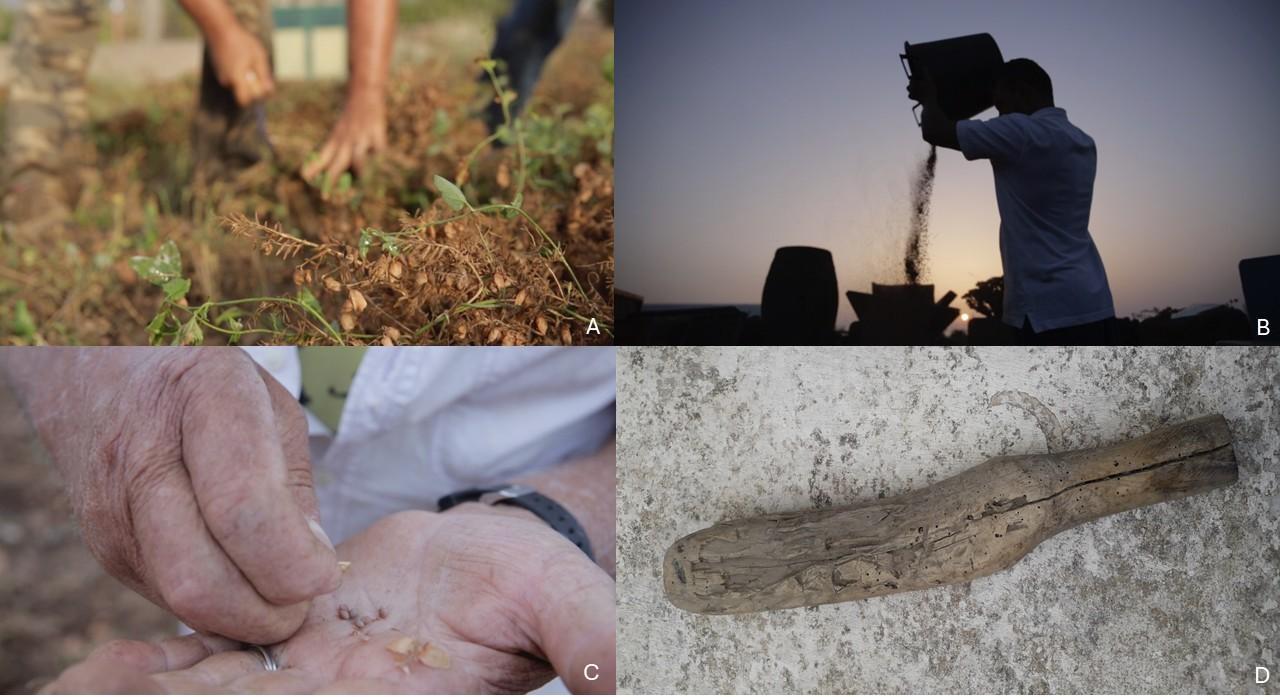
Being a very low plant, the wind usually does not affect very much the choice of the right places to seed (just one interviewee in Linosa advices against windy places); in some cases, barley or Opuntia leaves can be used to defend from the wind, especially when the plant is still small; in Lipari, one of the farmers reports grano barbattune (a landrace of naked wheat) to protect the lentils from the wind. Soil properties and drainage are the most important features for a land to be considered adapted to grow lentils, together with the lack of an elevated exposure to marine aerosol. According to the farmers, too much humidity is bad for the plant, and a spring with too much rain causes mold. But, also, if it is not rainy enough, the vaiana (the pod) can remain empty or with small seeds (usually lentil pods have one or two seeds, fig. 3C). It is advised to sow it in sunny areas, not valleys or wooded shady areas: lentils need sun like other legumes. Some farmers in Pantelleria report the plantation of lentils among the rows of vines.
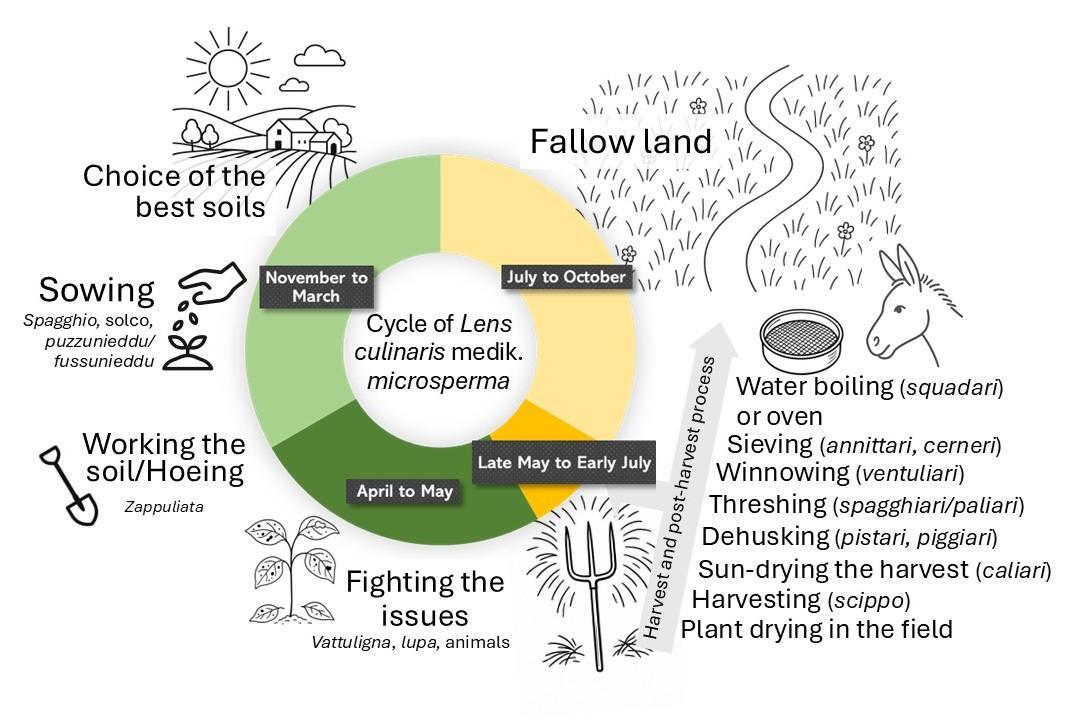
Sowing season runs broadly from November (early November in Linosa) to March for some areas of Pantelleria. More in detail, November/December: Linosa, Lipari, Pantelleria; December/January: Ustica, Lipari; March: some areas of Pantelleria. According to the interviewees, Lipari is the one with the greatest variability in sowing (from the end of November to the beginning of February), while Linosa is the one with the biggest homogeneity (some farmers declared even a specific day, 15th or 26th November). It likely differs depending on the area.
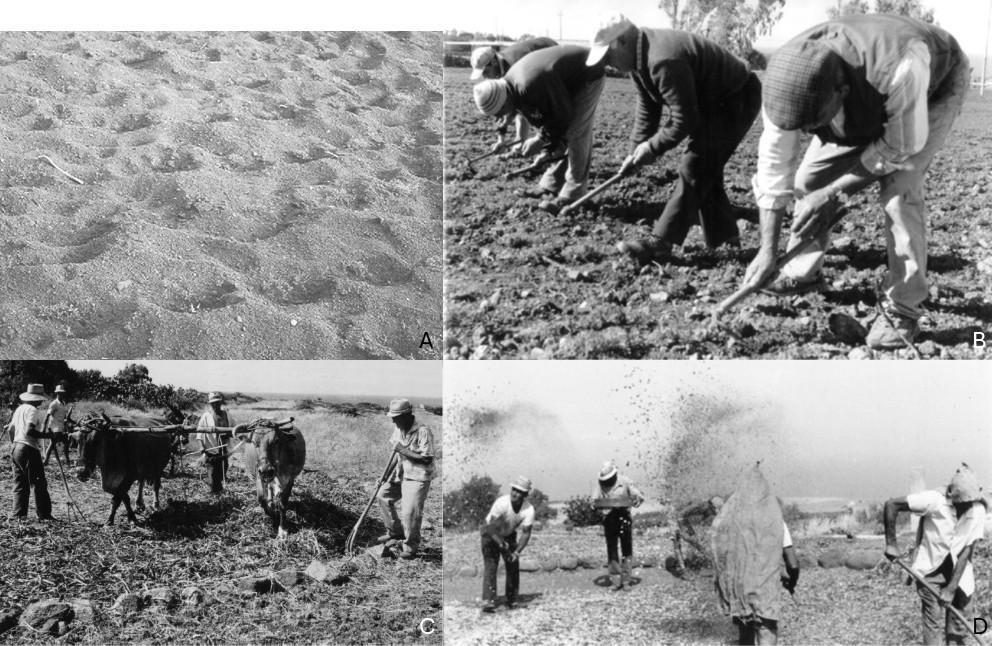
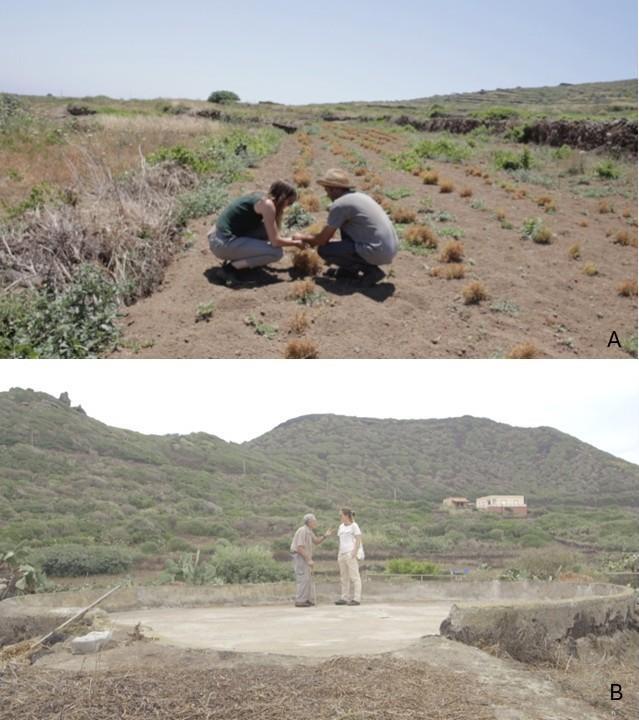
The sowing techniques vary from spagghio (a small number of seeds in one hand is spread while walking), solco (seeds slowly poured into a straight furrow), puzzunieddu/fussunieddu/fossitedda (small circular furrows where a group of seeds is poured)(fig. 2A). Spagghio and solco are preferred in Ustica and Eolie, while Linosa and Pantelleria prefer puzzunieddu (with a variable number of seeds for each well, from 5 to 15 and usually at a distance of 10 to 20 cm). However, the circular furrow technique is also present in Salina. In Ustica, the furrows can be in parallel lines or in a spiral to allow a better distribution of the water in some lands. In some cases, for example in Lipari, there is a difference in the seeding technique based on the type of seed: the smaller one (spagghio) and the larger one by furrow/dimple (puzzunieddu). Traditionally, lentils were made with a rotation of at least 3 years, but also up to 6, on all the islands. In all the islands, with the exception of Linosa, lentils were cultivated with barley.
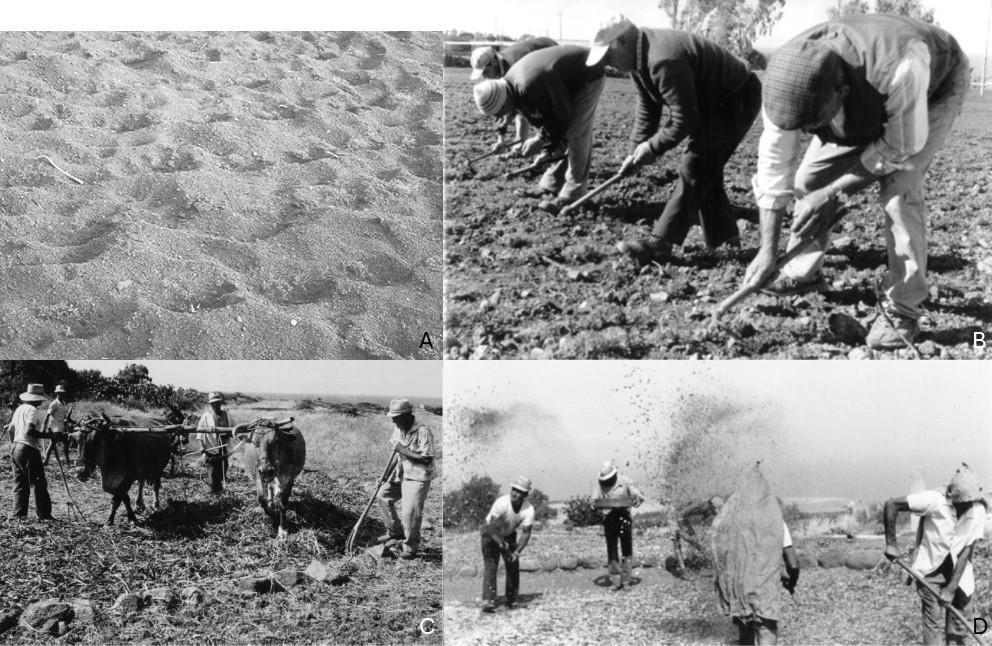
Processing takes place from sowing to flowering season (May), usually called zappuliata (hoeing) and performed with zappudda (the local hoe)(fig. 2B). Both terms are used by almost all the interviewees in all the islands, with exclusion of Lipari. A general homogeneity in treating the plant and cleaning it from the weeds is recorded; almost all the interviewees refer to the great importance of keeping the soil clean from weeds because the plants are very sensitive and there is a serious risk of plants dying or producing very few seeds if the soil is not constantly hoed. In Lipari, the term ghinchiri (filling) is used for the treatment of the plant, to maintain its habit and allow the branches to keep together.
Harvesting Techniques
The use of the metal sickle is widespread along with scippo (uprooting the whole plant)(fig. 3A), although the latter prevails in Linosa. Collection techniques could be affected by the kind of soil: sickle helps keep the harvest cleaner, but it takes more time and loss of seeds; uprooting is faster, but it can bring more soil and small rocks in the harvest. In Pantelleria, some farmers say that it depends on the size of the plant (if it is big, it is cut and if it is small it is uprooted).
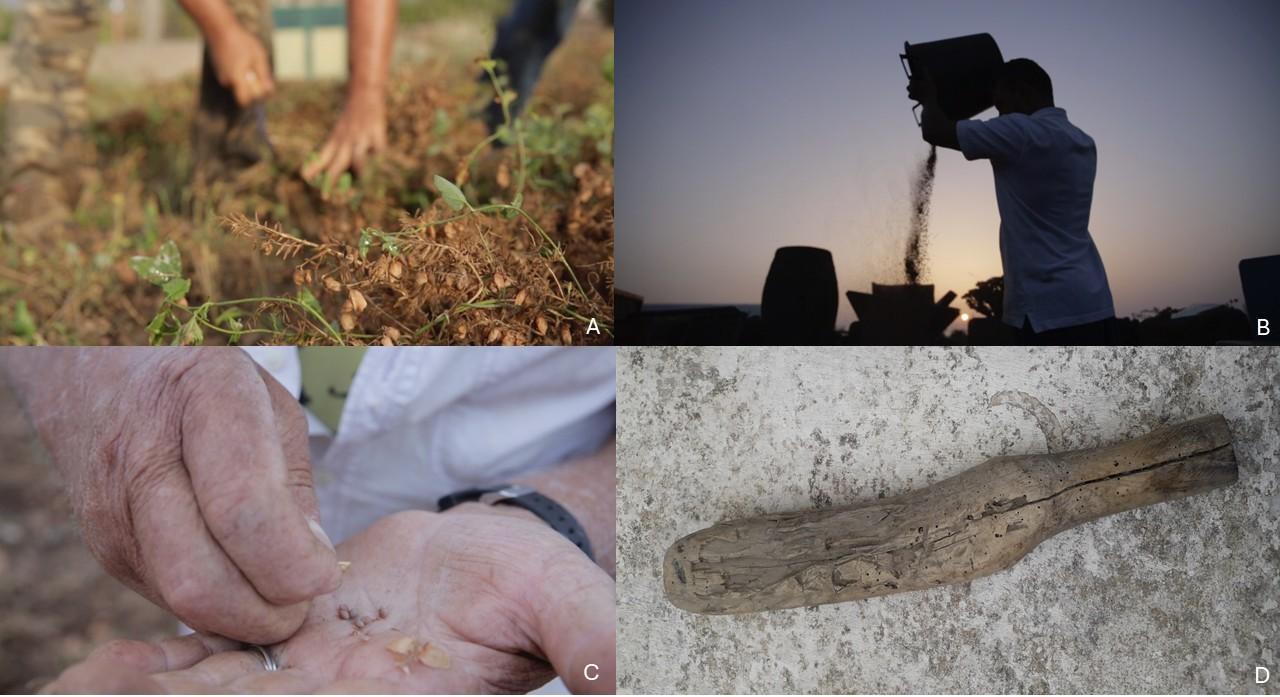
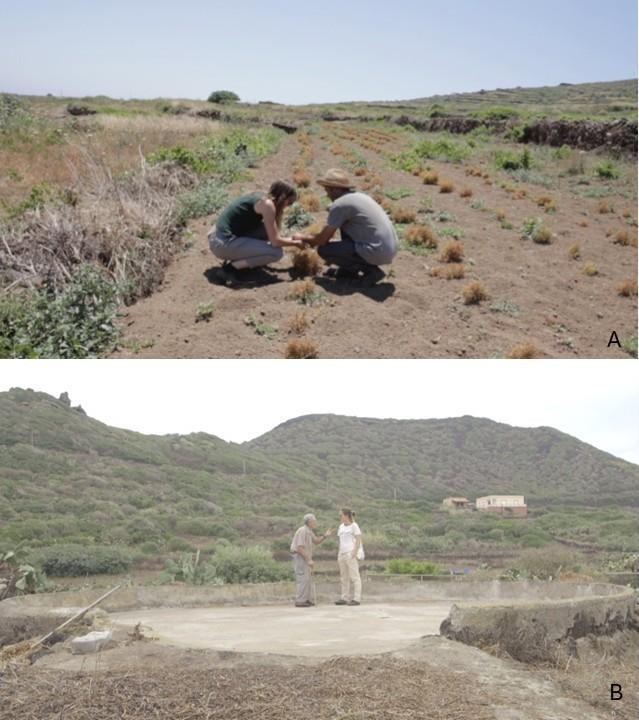
The harvest happens on all the islands very early in the morning, when the plants are already dry and yellow (caliata in Ustica)(fig. 4A), but they are wet because of the dew; this precaution helps the farmers not to lose the seeds while harvesting during the dry and hot days of spring/early summer.
The interviewees declared to harvest from May to the beginning of July. It is not very clear what it depends on; it does not seem to be a latitudinal factor, given that in Pantelleria, they harvest very late, but they also plant it in very different seasons. More specifically: Late May/early June in Ustica; Early May/mid June in Linosa; Mid May/early July in Lipari; End of June/early July in Pantelleria.
Working Areas / Threshing Floor (Aia/Aria)
The process of threshing lentils is quite similar to that of other crops, sometimes even performed alongside or in succession with other crops (for example, one farmer in Ustica reports a sequence of faba beans, lentils, and wheat). While some activities are common across the Mediterranean and beyond, the specific character of threshing lentils requires certain precautions (fig. 4B).
In Lipari and Salina, the use of the farmyard for threshing lentils is either rare or has been absent for a long time. Consequently, family producers typically use the house terrace to thresh the lentils, employing a stick (a tool with a specific weight and shape). In some cases, threshing floors are used in particularly abundant years. In Ustica, the aia (threshing floor) is more common, and during the aiuto pi l’aiuto (help for help) day, families assist one another with threshing while celebrating together. Not every family has a threshing floor, so neighboring ones may be shared. Threshing is now mechanized everywhere, and the use of animals was discontinued many decades ago. In Lipari, farmers create the cuvudda (a traditional threshing device).
On Linosa, the techniques appear to be identical to the pre-mechanization ones in Ustica, with a precise and codified sequence of steps, all still carried out manually. Over the course of five generations since Linosa’s colonization, only minor changes have occurred, while most of the practices have been lost in Ustica.
On Linosa, donkeys are still sometimes used to assist with threshing, making it the only island where animals are still used. These animals drag large stones to help with the pounding process (known as petr’i pestari). The terms pistari and pigiari are used interchangeably, though pistari is preferred (fig. 2C). In Pantelleria, each family has its own aia and there is no collaboration between families. In contrast, in Linosa and Ustica, threshing is a communal activity, highlighting the social aspect of this practice in those areas.
The tools used for winnowing are consistent across the islands. Before mechanization, a tridenta (pitchfork) or pala (shovel, referred to as paliata in this context) were used, followed by crivu and sottacrivu (sieves of different mesh sizes) for the initial separation of chaff from seeds, utilizing the wind (cirnuta). In the Aeolian Islands, farmers use the term ventuliari (winding), while in Ustica and Linosa, the term spagghiari (winnowing) is more common (fig. 2D). On Linosa, farmers use two or three sieves of varying sizes, with the smallest one being called crivo di Ustica (Ustican sieve). In Pantelleria, the term sifé is used for chaff, while fiocco is used in Linosa. Some farmers, particularly in the case of smaller harvests, still use bucket pouring to separate the chaff (fig. 3B).
High daily temperatures and wind conditions are important factors in selecting the right day for threshing and winnowing. In Linosa, interviewees emphasize the need for a wind that is neither too strong nor too weak. The direction of the wind is generally not considered significant, except for one interviewee in Pantelleria, who recommends the scirocco wind and one in Linosa, who recommends mistral.
Post-Threshing and Winnowing Procedures
In Ustica, the harvest is collected in large, square sheets known as cutra, while in Lipari, these are called rutone. The post-threshing and winnowing process for lentils varies across the islands, especially before the advent of mechanization. On most islands, lentils are first dried in the sun for several days, then collected and further cleaned by hand to remove any remaining seeds or small stones. Farmers on all islands follow nearly identical sequences. In Pantelleria, farmers advise against using water to clean the lentils, as it can promote mold formation. In contrast, in Lipari, some farmers prefer to squadare (slightly boil) the lentils to achieve a deeper cleaning before drying them in the sun. On Linosa, the only island where the sequence differs significantly, all farmers dry the lentils in ovens. This could be due to a higher humidity on the island compared to the others or to the fact that Linosa is the most conservative of the original process. There is a precise sequence to follow, and the temperature must be carefully controlled (the lentils should be kept at around 180°C for 12 hours). To test whether the oven has reached the correct temperature, farmers place some lentils on the surface. If the seeds “jump”, the temperature is too high. When the seeds do not “jump” touching the surface, the proper temperature has been reached. The use of the oven is particularly important to prevent the development of papuzza (Bruchus rufimanus or other insects that infest legumes) during storage.
Diseases and Issues
The most commonly cited threat to lentils is lupa (literally “she-wolf”), which has a broad range of meanings (including mentions by Calcara, 1842). It can refer to a fungus, a generic weed, or specific weeds such as orobanche, though in at least one case, this is clearly distinguished from the latter. In Ustica, farmers also speak of vattuligna, a plant similar to the lentil that some believe attacks the roots and feeds on nitrogen, while others claim it suffocates the plant. In Lipari, some farmers refer to lupa marina, which they describe as marine fog coming from the sea that affects the plants. The plant Lupinus albus (white lupine) can be specifically planted to protect lentils from harmful fog.
In Pantelleria, lupa is not mentioned in any of its forms, while in Linosa, the term allupate (“attacked by the she-wolf”) is used to describe lentils that are few, dry, and have a bad taste. However, the main problem for lentil farmers across the islands is weeds in general. As a result, regular soil cleaning—at least 4-5 times until flowering—is highly recommended.
Another significant threat is rabbits, with birds also causing damage in Ustica and Linosa (for example, the 2024 harvest in Ustica was heavily impacted by these attacks). The soil must always be well-drained, not greasy or clayey, as this can cause the lentils to develop hard skins. Additionally, wet soil can harm the plant’s roots. Farmers generally agree that the soil type influences both the color and flavor of the lentils, with volcanic soil being particularly valued for its unique taste. In Ustica, farmers note that soil quality affects cucivulizza, the cooking time and texture of the seeds.
On Lipari, there is a difference of opinion regarding planting timing: some farmers prefer to sow during the waning moon, while others favor the crescent moon.
The most significant challenge in recent years is the changing rainfall patterns. Rain in April and May has become less frequent, leading to a decline in overall harvests and a reduction in the size of lentils, as noted by some farmers in Ustica and Linosa. Finally, all farmers across the islands agree that lentils are one of the most delicate crops to cultivate, often described as “la più difficile di tutte” (the most difficult of all), due to the numerous potential threats, the crop’s sensitivity to soil and water conditions, and the multiple phases of post-harvest care.
Provenance and cultivars
On Lipari and Salina, three main varieties of lentils are traditionally recognized: the “small” variety, which is reddish; the “black” variety, typically fed to animals; and the “matacìa” variety, which is wider and flatter. The origin of the term matacìa is uncertain, though some speculate it may be linked to a surname from the Sicilian city of Messina. Some farmers also believe that this variety was introduced from outside the archipelago; the origins of the other two varieties remain unclear. In Ustica, all farmers agree that there is only one variety of lentil, known as the Ustica lentil. The differences observed across the island are related only to the cucivulizza, the seed’s texture and consistency. The exact provenance of this single variety is unknown, but most farmers believe it is native to the Aeolian Islands, possibly introduced during the 18th century colonization. On Linosa as well, nearly all interviewees claim there is only one lentil variety, which is considered to be the same as the Ustica lentil. A few farmers suggest the lentil may have African or central Italian origins, again linked to the colonization period. In Pantelleria, the reconstruction is less clear. Some farmers mention a smaller lentil similar to Linosa’s, alongside a larger, brown variety. One interviewee stated that there are three distinct types. According to a source from Ustica, the Ustica lentil was introduced to Pantelleria in the 1970s, although Pantelleria had its own variety at the time. One farmer suggested that 30 years of isolation would be enough to develop a distinct cultivar. The trend of shrinking lentil size in Linosa and Ustica could be attributed to genetic isolation over time (Schrader et al., 2021), despite nobody having ever tried to study them from an evolutionary perspective.
Social Aspects
In terms of social participation in the cultivation process, women in Ustica and Linosa were typically involved only in the threshing and hand-cleaning phases, rarely working alongside men in the fields. In the Aeolian Islands, women did work in the fields alongside men, as did some women in Pantelleria.
Children were involved in threshing activities across all the islands. Many interviewees noted that the decline in lentil cultivation was due to the abandonment of fields and the laziness of the younger generation, signaling a fast disappearance of the traditional practice.
Special Words and Phrases
Among the anciurie (nicknames derived from family traits or characteristics), the term cacalenticchie (lentil-poopers) is used in Ustica. One interviewee mentioned Isaù, and the story of him selling his birthright for a plate of lentils.
Farmers often express pride in the lentils grown on their own islands. Many proudly declare, “Lenticchia di fora unne manciamu”—“We don’t eat lentils from other places,” particularly in Linosa, Ustica, and Pantelleria. However, it is unclear how they can assert that their lentils are the best, as many have never tasted lentils from other regions.
In Ustica, when the pods are full and the seeds appear large, farmers may say, “Chini cumu i ciancianeddi/o sunnu vacanti?” (“Are they full like bells, or are they empty?”). In Linosa, one farmer quoted the proverb “A zappudda ave u meli” (“The hoe has the honey”), emphasizing the importance of proper hoeing for a successful harvest.
Discussion
The interviews both confirm previous genetic studies and raise new questions, particularly about the spread and presence of different landraces on the same island previously undetected. This information, which had almost been lost, is now being rediscovered through this research. Anyway, this is the first time a systematic comparative set of interviews on lentils has been conducted across the circum-Sicilian islands.
A key observation is the clear variation in seeding seasons across the islands. While autumn sowing is preferred on all islands (likely due to higher yields, Sarno et al., 1988a), the timing of sowing differs significantly, adapting to extremely local conditions within the same island. Nevertheless, they mostly fall within the general window for dry and warm environments like Mediterranean ones (Nawaz et al., 2025). Linosa sows the earliest in November, followed by Ustica in December or January, with farmers’ responses on both islands being very consistent. In contrast, seeding seasons in Lipari and Pantelleria change widely, ranging from November to March. These differences are likely due to local climatic conditions, such as altitude, exposure to winds, and soil types, which vary significantly on the larger islands.
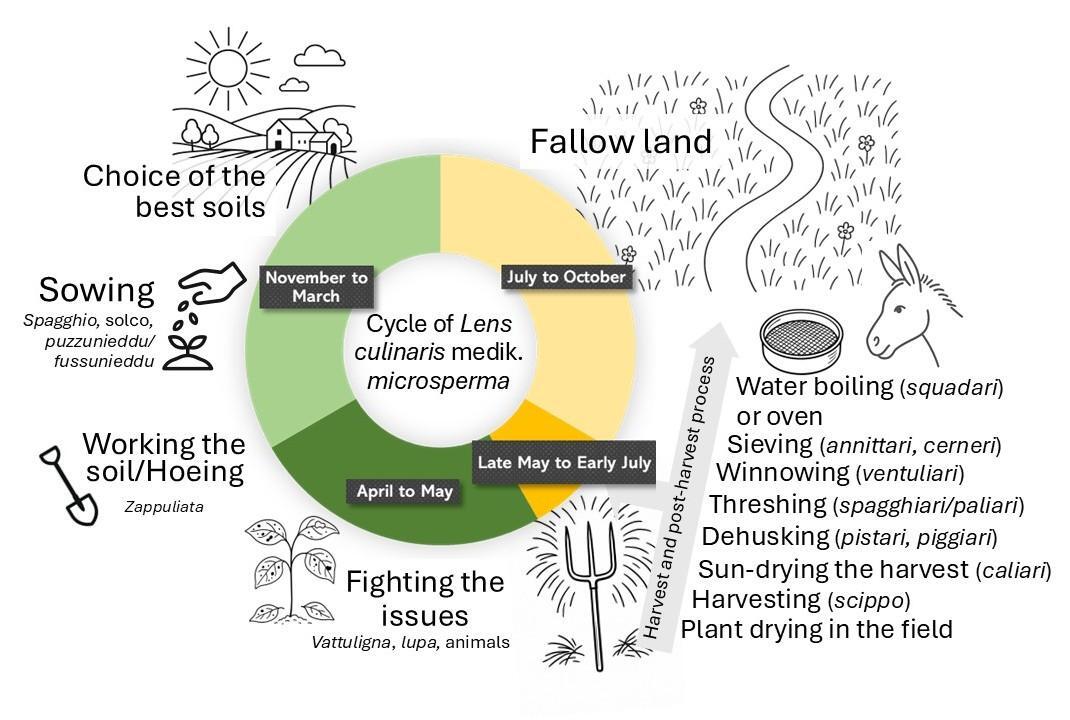
Harvest times vary across the islands as well. In Ustica, lentils grow for 5 to 6 months, with harvest occurring in late May or early June. Linosa follows a similar timeline, with harvests in May or early June. In Pantelleria, the growth period is more variable, spanning from 3 to 6 months, with harvests typically at the end of June or beginning of July. In Lipari, the growing period ranges from 5 to 7 months, with harvests in May or June. The timing of harvest is most consistent between Ustica and Linosa, with a 2- to 3-week delay in Linosa. In contrast, Pantelleria and Lipari show much more variability depending on the area (Table 2, fig. 5).
Seeding techniques are similar across the islands, with the closest similarities found between Ustica and Linosa, while Pantelleria and Lipari exhibit more variation, as expected. The fussuneddu technique is preferred for the drier soils of Linosa and Pantelleria, while solco and spagghio are more common on the northern islands (Ustica and Lipari). This distinction is important because it may highlight one of the few adaptations specific to Linosa, alongside the regular use of ovens to dry lentils after harvest. These practices might indicate a direct connection between the cultivation of lentils on Ustica and the Aeolian Islands and on Pantelleria and Linosa.
On the Aeolian Islands, this research reveals that local, family-based lentil production is still quite common, despite being previously thought to be abandoned. Three distinct varieties of lentils are traditionally recognized, likely brought to the islands during periods of colonization. Of particular interest is the matacìa variety, which may be linked to northeastern Sicily. Lentils likely arrived on Ustica early during the 18th-century colonization, and today only the “small lentil” is cultivated (the variety chosen as “Presidio Slow Food”). This is the same variety cultivated on Linosa. Previous studies had noted the existence of larger-seeded biotypes and black-seeded varieties, but these have since disappeared (Hammer et al., 1999). A bottleneck effect could have brought the three varieties from Lipari to Ustica, but today only the small variety is cultivated.
The dynamics of Pantelleria are a bit unclear. The seed collections from various farmers show noticeable morphological differences, which need further study. Some interviewees suggest that three varieties may exist, similar to the situation in Lipari. None of the farmers in Linosa mentioned any other species or landraces, suggesting a direct link between Linosa and Ustica, independent of Pantelleria.
It is also unclear whether practices like the typical “aiuto pi l’aiuto” (community help with threshing) were already present in the Aeolian archipelago and then transferred to Ustica, or whether they developed on the island. While no one in Lipari recalls such practice, this study is the first to shed light on the cultivation of lentils on the islands, where it had previously been assumed that the crop was no longer grown.
The differences in the use of aia (threshing floors) across the islands are notable. On the larger islands, threshing floors are often owned by single families, while on smaller islands, they are shared among several families, indicating a more collaborative approach. This difference may be due to the islands’ size (Pantelleria is more than ten times the size of Ustica and Linosa), as well as the different social structures and traditions on each island.
In 1994, a unique situation was observed on Linosa (Laghetti et al., 1996). Unlike other small islands, which had experienced significant genetic erosion, Linosa showed a remarkable variety of crop landraces and traditional agricultural practices (Hammer et al., 1997). However, this cultural biodiversity is increasingly threatened by mechanization and climate change, which are putting lentil production at risk as well. Farmers also point to a lack of interest from the younger generation in agricultural practices. In Ustica, Lipari and, to a lesser extent, Pantelleria, there are positive signs, with young farmers actively working to preserve local production and maintain traditional landraces like the lentil.
Finally, in the Sicilian islands what is mostly practiced is an intensive cultivation sensu Halstead (2002), with pulses receiving great attention compared to cereals (Halstead, 1987). This agricultural landscape in Sicily and the small islands around is probably established as early as in the Bronze Age (Speciale et al., 2024). Although there are many similarities with the main island of Sicily, the small islands maintain their specific and traditional customs (Barbera & Cullotta, 2012). In the end, despite the local adaptation, the small islands truly represent a hotspot of biocultural heritage (Piergiovanni, 2000) preserving the same traditional processes known elsewhere in the Mediterranean. The colonizers of the 18th and 19th centuries brought with them the seeds they considered important for their identities and culinary receipts, maintaining in many cases the same gestures and vocabulary.
Conclusions
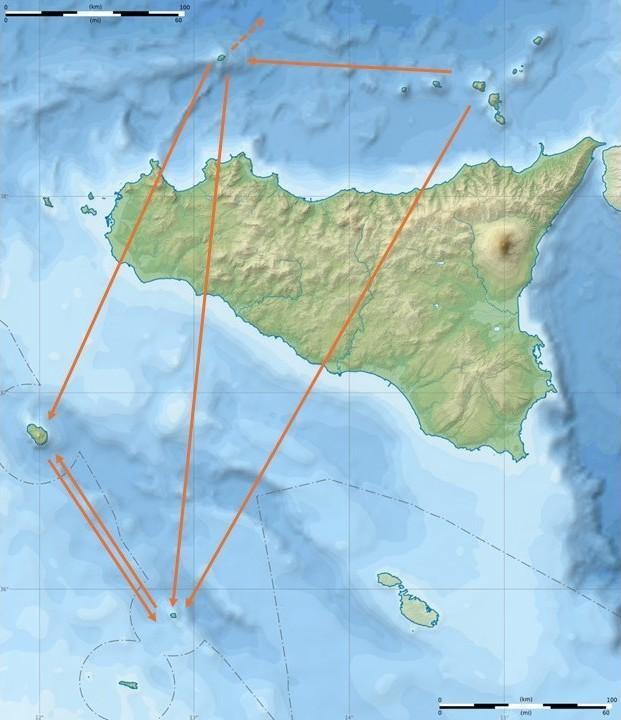
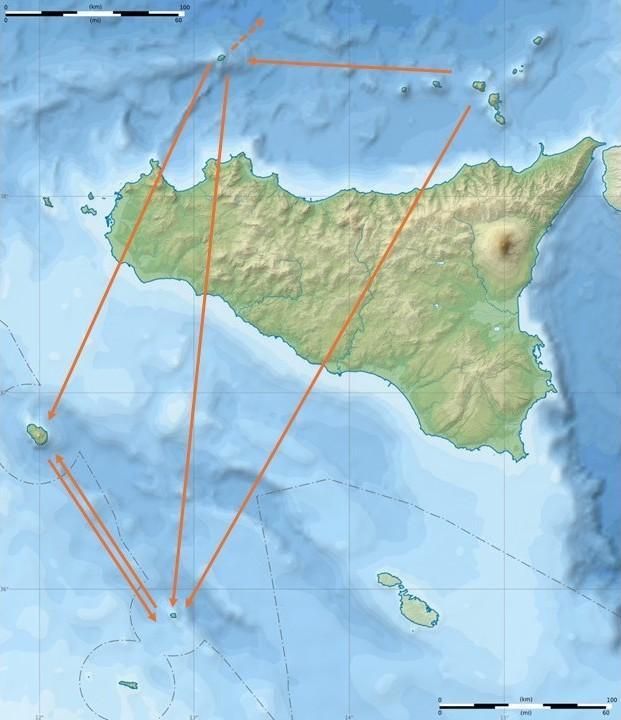
This investigation serves as an initial contribution to understanding the spread and use of small lentils on the islands around Sicily. Further research could expand upon this by conducting more interviews in the Aeolian archipelago, as well as on the island of Pantelleria, where the existing interviews may not fully capture the complexity and diversity of farming practices. Based on this analysis, it appears that the (small) lentils were introduced by colonizers during the 18th and 19th centuries, likely brought from Sicily and/or Southern Italy to the Aeolian archipelago, then to Ustica, and later to Linosa and Pantelleria (fig. 6).
For the inhabitants of the smaller islands, lentils are primarily a symbol of identity and pride, especially on Ustica and Linosa. In contrast, on the Aeolian Islands and Pantelleria, lentils are not considered as significant or have a particular role. Ustica stands out as a prime example, with production increasing across the island in recent decades, the establishment of a Presidio Slow Food, and a shift away from mechanization in favor of integrating traditional practices. Linosa could follow a similar path, potentially becoming a model for sustainable agricultural conservation. However, it requires a comprehensive inventory of its most traditional crops, followed by efforts to protect, popularize, and add value to them through an integrated approach.
As early as the 2000s, both Ustica and Linosa were proposed for the on-farm conservation of genetic resources. Unfortunately, a lack of public interest in these initiatives has made life increasingly difficult for farmers. During experimental cultivation, Pantelleria, Linosa, Castelluccio, and Pachino showed the best agronomic performance, while the foreign varieties Laird and Eston performed the worst (Laghetti et al., 2008). This underscores that the local landraces, honed over decades of Indigenous and Local Knowledge (ILK), are the most adapted and productive.
Preserving the seeds, cultivation techniques, and social rituals associated with lentil farming—a heritage passed down by colonizers moving from one island to another—is a responsibility for all of us. This is especially crucial in a Mediterranean context, where the loss of cultural biodiversity is accelerating. While farmers rarely mentioned the climate crisis in interviews, 2024 proved to be an exceptionally difficult year for all the islands, with one of the worst droughts in recent decades (EuroNews, 2024). Lentil production this year barely met the needs for the annual sowing.
Funding Declaration and Acknowledgments
This research was funded by BIODIVMEX, Mistrals Program, directed by Yildiz Aumeeruddy-Thomas (CEFE-CNRS, Montpellier) & Virginie Baldy (AMU-IMBE, Marseille). We thank the anonymous reviewers for their invaluable help. Last but not least we sincerely want to thank all the farmers and people that shared their precious knowledge with us, we tried to respect and protect their legacy.