1.0. Introduction
This paper explores identity formation among asylum seekers in Lesvos, Greece, during their periods of wait for international protection. It investigates the interplay between identity, temporality and spatiality through the lens of young adulthood, a critical period for identity exploration and formation.
Four interrelated dimensions are central to this study: (a) the experiential reality of waiting, (b) coping mechanisms, (c) interactions with the island’s spatiality—both its physicality and its symbolic meanings, and (d) relationships with local and institutional actors. Drawing on phenomenology, this research seeks to fill a significant gap in migration studies. While considerable research has focused on identity formation in post-migration contexts (e.g., Ballentyne et al., 2021; Ketner et al., 2004), less attention has been given to how the migration journey and, more specifically, waiting periods along journeys, intersect with identity formation.
Dialogical Self Theory (DST) provides a framework for analyzing the complex and often conflicting identities that emerge in individuals’ narratives (Hermans & Gieser, 2011; Konopka et al., 2018). These identities, or I-positions (in DST terms), are characterized by internal and external dialogues, which arise from and are reflective of complex sociocultural contexts asylum seekers come from and go through, including their asylum processing experience and the location where it unfolds.
This study aims to answer: How do the periods of wait undertaken by young adult asylum seekers on the island of Lesvos affect the negotiation and construction of their identities? We suggest, on phenomenological grounds, that the spatial dimension of waiting periods plays a crucial role in identity formation, actively shaping the construction and negotiation of migrant selfhoods. More specifically, this article examines how Lesvos becomes meaningful through the conjunction of geographical restriction, sea-boundedness, asylum waiting, camp spatiality, NGO infrastructures, and shifting identity positions. Lesvos is therefore taken as a specific island-border assemblage through which the relationship between waiting, spatiality, and identity formation can be examined. Lastly, this work underscores the importance of considering how migration policies and frameworks ultimately impact identity formation processes, offering insights into the profound effects of waiting and liminality on personal and collective identity formation.
2.0. Literature Review and Theoretical Framework
2.1. Waiting, liminality, and identity formation
Experiences of waiting have received scant conceptual and research attention (Conlon, 2011). Time in relation to migration and to mobility remains largely under-theorized (Griffiths, 2014), and so does the phenomenology of waiting, its social implications, and the significance of exploring time and space in migrants’ experiences (Bendixsen & Eriksen, 2018; Conlon, 2011). Although waiting has often been treated as a secondary or transitional aspect of migration, scholarship on migrant temporalities shows that waiting actively structures lived experience, social participation, and the capacity to imagine and organize a future (Bendixsen & Eriksen, 2018; Conlon, 2011). In asylum systems, waiting is especially consequential because it is imposed through administrative procedures, legal uncertainty, and spatial restrictions that redistribute control over time away from asylum seekers and toward state and institutional actors.
Griffiths (2014) identifies four temporalities that are particularly relevant to individuals’ experiences in migration: sticky time, in which time seems to elongate; suspended time, where it halts; frenzied time, which accelerates uncontrollably; and temporal ruptures, which are disruptions in envisioned timeframes. The temporalities and variegated affective complex (Bissell, 2007) the event of waiting produces are, nonetheless, not merely subjective perceptions. They are historically and geographically produced by the politics of power (Chattopadhyay & Tyner, 2022), being deeply embedded in the fabric of migration policies shaped by historical patterns of colonization, migration regulation, and international relations (Mezzadra & Neilson, 2013). These patterns dictate the strategic placement of borders, locations of refugee camps, and migration routes, influenced by political decisions about who is allowed to move and who must wait (Hyndman & Mountz, 2008).
At the same time, waiting spaces are not passively but actively experienced, as sites of wait are also liminal sites of action, struggle and political possibilities (Mountz, 2011). Multi-sited protests and occupations by asylum seekers and refugees demonstrate how waiting is, as framed by Khosravi (2020), “a state of wakefulness engaged with potentialities for a different future” (p. 206). Often so, despite describing time as stagnant, asylum seekers’ waiting periods are actually affective (by involving anticipation of the future and reflection on potential outcomes) and active (filled with a variety of routines and activities) (Rotter, 2016).
This tension is central to identity formation, especially during young adulthood. Developmental psychologists have long identified adolescence and young adulthood as periods in which identity questions become particularly salient, while also recognizing that the boundaries and meanings of these life stages vary across cultural, social, and historical contexts (Arnett, 2000; Erikson, 1968; Schwartz et al., 2006). During this period, individuals often explore ideological, occupational, relational, and moral possibilities, gradually forming commitments through which they situate themselves in the adult world (Marcia, 1980; McAdams, 2001). Identity, in this sense, involves the ongoing integration of past experience, present circumstances, and anticipated futures into a self-narrative that provides some degree of psychosocial unity and purpose (McAdams, 2001).
For young migrants and asylum seekers, these processes are complicated by displacement, cultural transition, and legal uncertainty. Young migrants must often negotiate identities across heritage, transit, and receiving contexts while also dealing with the normative developmental questions of this life period (Arnett, 1999; Ketner et al., 2004; Schwartz, 2005). In asylum processes, these challenges are intensified by procedural uncertainty and imposed temporalities. Prolonged waiting does not simply delay external life plans; it interferes with the narrative and practical conditions through which education, work, family, belonging, and future aspirations can be imagined and pursued. The question, then, is how waiting enters the asylum seekers’ selves: how it affects agency, future orientation, and the identity positions through which people understand who they are and who they may become.
2.2. Islands, access, and politically produced islandness
In exploring asylum seekers’ experiences in Lesvos, it is vital to recognize the broader geopolitical frameworks and power geometries shaping these experiences, and the role of insularity in it. In this direction, our analytical movement departs from recent critical island studies cautions against assuming that islands share a single essence, or that islandness produces the same effects across different contexts. Rather, islandness should be approached as relational, politically produced, and context-dependent: a set of meanings and material conditions that emerge through practices, ascriptions, mobility regimes, infrastructures, and unequal access to resources and representation (Foley et al., 2023; Grydehøj et al., 2025; Nimführ & Otto, 2021).
This is especially important in the context of migration governance. Islands increasingly serve as strategic sites for sovereign states to manage and control migration (Mountz, 2011; Mountz et al., 2013). They may thus function as locations where distance, sea-boundedness, jurisdictional arrangements, and reduced visibility are used to mediate access to asylum, legal support, advocacy networks, and onward mobility. Detention centers and camps on islands geographically isolate asylum seekers and restrict their access to legal and essential services, significantly impacting identity and daily life (Mountz, 2011). In Lesvos, biopolitical practices have resulted in physical and psychological harm for migrants, with impacts ranging from physical illnesses to mental health issues (Topak, 2020). The restrictive conditions in island camps can further exacerbate feelings of isolation and hinder communication, while extreme isolation worsens mental health issues and alters perceptions of liminality and temporality (Boochani, 2019; Mountz, 2017). Paying justice to the power relationships that permeate and produce places of wait, Lesvos can be understood as a waiting territory which can lead to the creation of new identities, no matter if these are conscious or unconscious, longed for or unexpected, bringing forth a variety of new significations to the study of contemporary societies’ mobility (Vidal & Musset, 2015). Lesvos should thus be read as a specific island-border assemblage shaped by its proximity to Turkey, its role in the EU hotspot system, the history of camps such as Moria and Kara Tepe, the geographical restriction imposed on asylum seekers, the density of humanitarian infrastructures, and its symbolic position within European migration politics. The analytical point is that island spatiality becomes consequential when it is folded into asylum governance and uneven regimes of access.
2.3. Place phenomenology and lived island spatiality
One of the key aspects of phenomenology in migration studies is the concept of “lived space” (Lebensraum), which refers to how physical environments are experienced by individuals beyond their physical properties. Lived spaces are not passive backgrounds but active elements in shaping individuals’ experiences and identity (Casey, 2001). Reasoning for a phenomenology of islands, Hay (2006) argues that island meanings are phenomenologically generated, carrying “a fully nuanced, complex and articulated character rather than a mere uni-dimensional backdrop” (p. 34). Such meanings are often connected to displacement, senses of entrapment, denied opportunities, boundedness, and an overall intensified relationship with place. Conkling (2007), in turn, draws attention to the sea-land boundaries and the psychophysical effects these boundaries may engender. In the context of this study, these insights are used to examine how sea-boundedness, proximity, enclosure, and movement across island spaces become meaningful in the everyday lives and self-understandings of asylum seekers. A phenomenological approach is useful here because it allows attention to how island spatiality is differentially perceived and narrated in the specific context of Lesvos.
2.4. Life stories and narrative identity
If place phenomenology allows attention to how waiting and island spatiality are lived, life stories provide a methodological and analytical entry point into how these experiences are integrated into identity. Following McAdams (1993, 2001), narrative identity refers to the ways individuals construct internalized self-narratives that connect past experiences, present circumstances, and imagined futures. Beyond recollections of past events, these are active constructions that individuals use to make sense of their experiences and to envision possible futures. Such self-narratives are grounded in biographical facts and provide “psychosocial unity and purpose,” being co-authored by the individual and their cultural context (McAdams, 2001, p. 101).
Narratives are deeply embedded with elements of agency (the capacity to act upon the world) and communion (the sense of connection with others, which is a vital aid to individuals’ maintenance of a sense of control and belonging in often tumultuous circumstances). In migration and asylum contexts, turning points such as leaving one’s country, crossing the sea, arriving on the island, receiving a negative decision, or being granted asylum may reorganize life stories. These turning points may lead to redemption sequences, where difficult or negative events are reframed positively, or to contamination sequences, where initially hopeful events become associated with loss, frustration, or defeat (McAdams, 2006; Pasupathi & Mansour, 2006). In contexts of displacement and protracted waiting periods, crafting a narrative can therefore become a coping mechanism in itself. Asylum seekers may narrate their journey not just as a time of loss and waiting but also as a period of learning and transformation. This narrative reframing can foster a sense of agency, allowing individuals to see themselves as active participants in their life stories despite difficult living conditions (Bruner, 1990; Hammack, 2008) and to rearrange continuities and ruptures in ways that support agency, hope, and motivation (Terzioglu, 2023). At the same time, prolonged waiting can also make narrative coherence difficult to sustain. As we explore in our findings section, when legal decisions remain pending and future-oriented projects are repeatedly deferred, the ability to connect past, present, and future into a coherent life story is placed under strain. This is where narrative identity connects directly to Dialogical Self Theory: the same life story may contain multiple, conflicting, and shifting positions, as developed in the following section.
2.5. An introduction to Dialogical Self Theory
Dialogical Self Theory (DST) provides the analytical framework for examining how waiting, island spatiality, and asylum governance enter identity formation and life stories. DST’s key premise is that the self does not operate as a single and unified identity, but as a multiplicity of I-positions that interact dialogically with one another (Hermans & Gieser, 2011; Hermans & Kempen, 1993). Thus, DST can be succinctly defined as a “multiplicity of I-positions in the society of the mind” (Meijers & Hermans, 2018, p. 7).
The metaphor of the voice is particularly relevant in DST: “when taking different positions, the I tells different stories about itself from different perspectives. All voices are colored by the ideas, values, expectations and behavioral patterns of the various social and cultural groups one is part of” (Zock, 2013, p. 17). In the dynamic interplay of voices of the self, the dialogical self is organized through the orchestration of different “voices” based on one’s shifting I-positions (Buitelaar, 2022). DST distinguishes between internal positions (e.g., I as a Muslim, I as an asylum seeker) and external positions (e.g., significant others, institutions, or collective voices), with external positions also becoming internalized as voices that participate in the dialogical self. I-positions may be personal (e.g., I as a dreamer) but can also be collective, when the self speaks from a group standpoint (e.g., we as Eritreans, we as refugees).
In such dynamics, some external positions may function as promoter positions: voices that encourage, guide, or open up new trajectories in the self. This concept is particularly useful for analyzing the role of NGO workers and volunteers in Lesvos. Besides providing services or social support, in some narratives, these figures become internalized as voices of encouragement, recognition, and future possibility. At the same time, as shown later, such promoter positions can also be ambiguous when they shape idealized understandings of Europe or of possible future destinations.
It is now pertinent to pay attention to what Hermans & Gieser (2011) describe as meta-positions. A meta-position allows a distancing from one or more positions by providing the ability to elevate oneself above one’s interplay of various I-positions. In this state, one can observe and analyze multiple I-positions at once, recognizing the connections and distinctions between them. In a meta-position, self-reflexive distance towards more specific positions through thoughts, considerations, and comparisons is needed. As such, it is from the standpoint of a meta-position that a third position can arise, serving to mitigate possible frictions between different I-positions. As a third position mitigates the conflict, it also benefits from the energy of the two original positions, aiding its further development (Hermans & Gieser, 2011; Meijers & Hermans, 2018).
Central to DST is the notion of dialogicality: I-positions are not static identity elements but are continuously constituted, challenged, and reorganized through dialogical processes such as negotiation, conflict, dominance, and silencing (Hermans & Hermans-Konopka, 2010; Hermans & Kempen, 1993). In contexts of migration and prolonged waiting, such dialogical processes become especially salient, often shaping which positions gain prominence and which are marginalized or suppressed (Bhatia, 2002; Buitelaar, 2022).
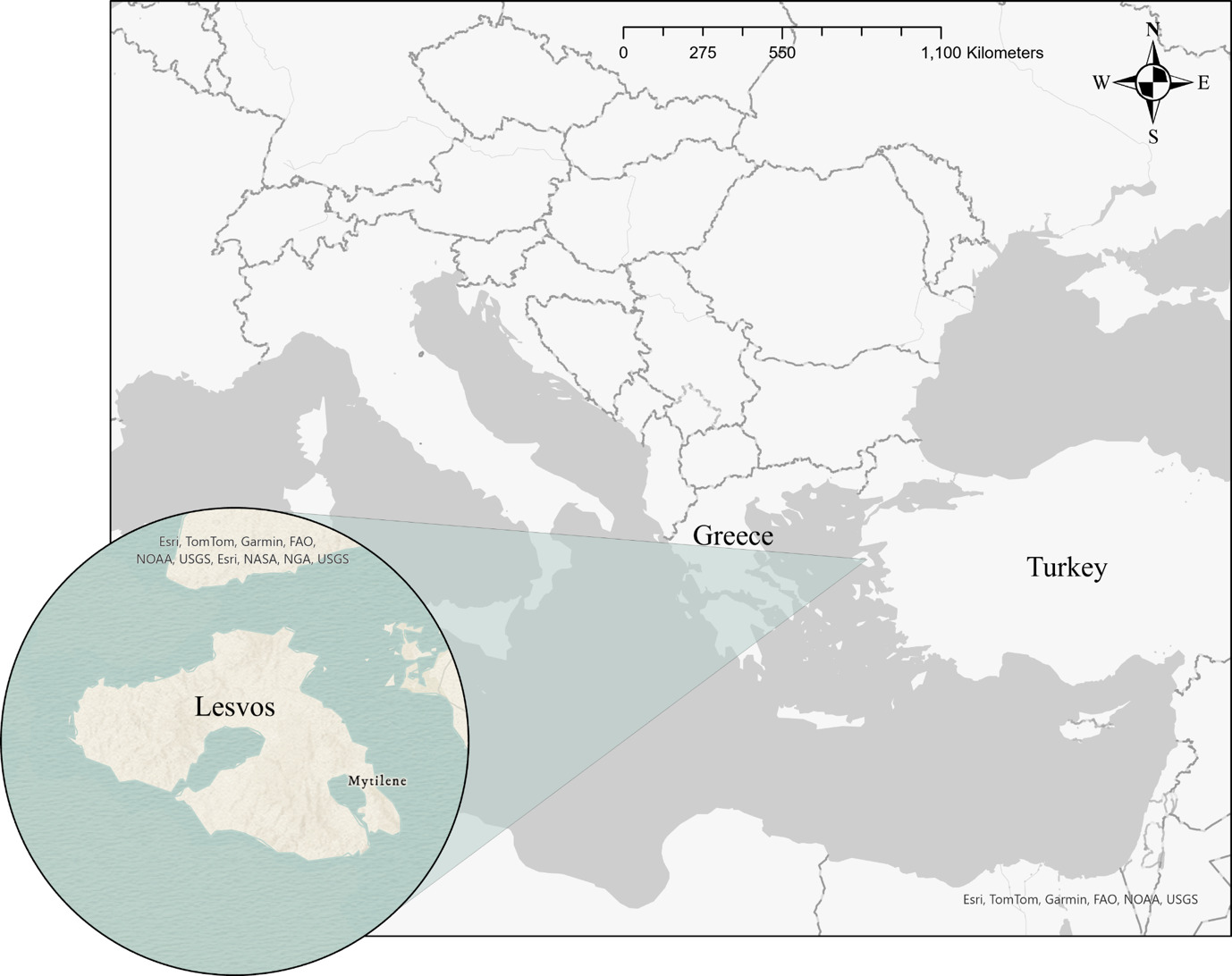
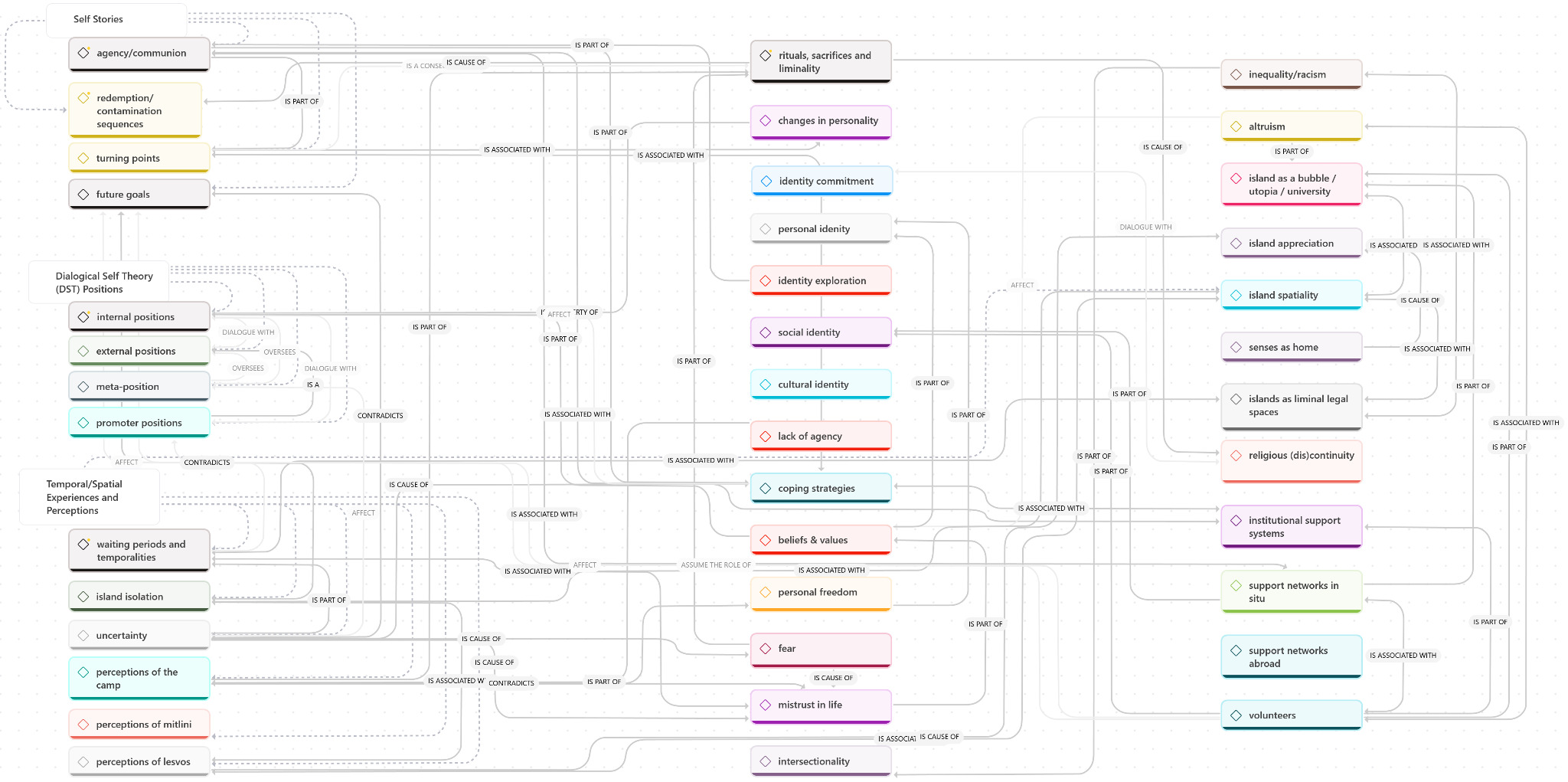
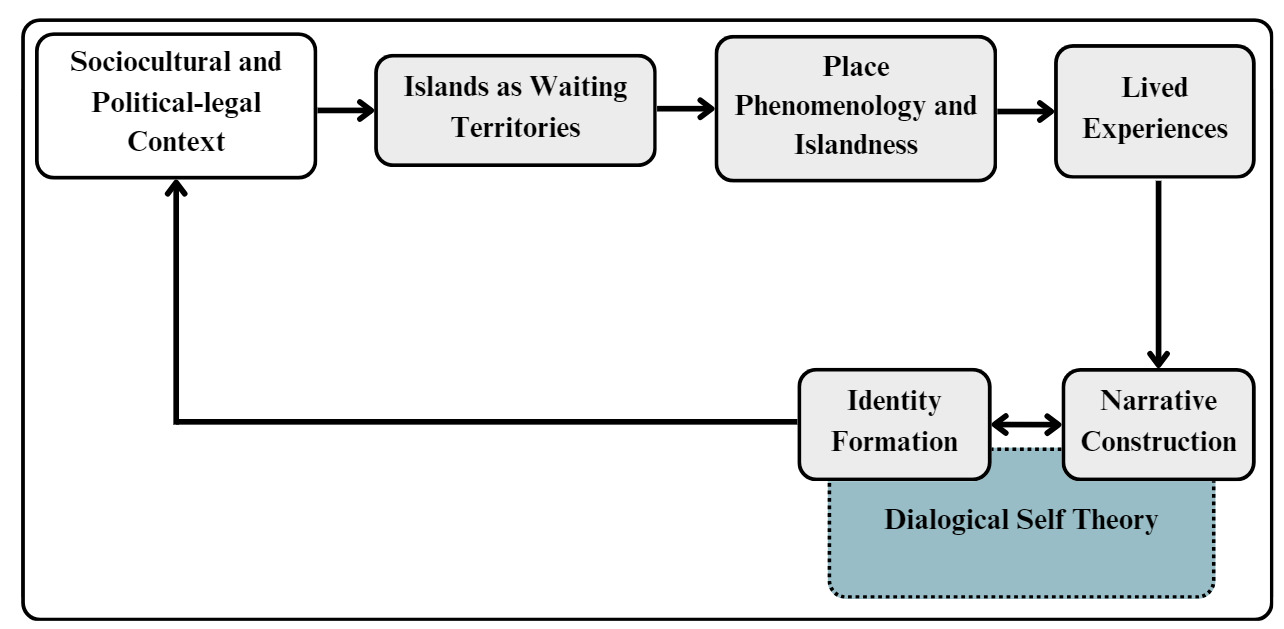
This is where DST becomes particularly useful for the present study. Critical island studies have emphasized that islandness, smallness, and insularity should be understood as relational, context dependent, and politically produced. DST adds to this by showing how islandness may also be internally differentiated within individuals. The same island space may be experienced differently depending on which I-position is foregrounded, which spaces are accessible, how legal status changes, and how the future is envisioned or foreclosed. DST thus allows the exploration of these situated identity negotiations of refugees and asylum seekers in and through places where waiting is materialized. Figure 1 presents the conceptual framework guiding this research.
3.0. Methodology
3.1. Study setting
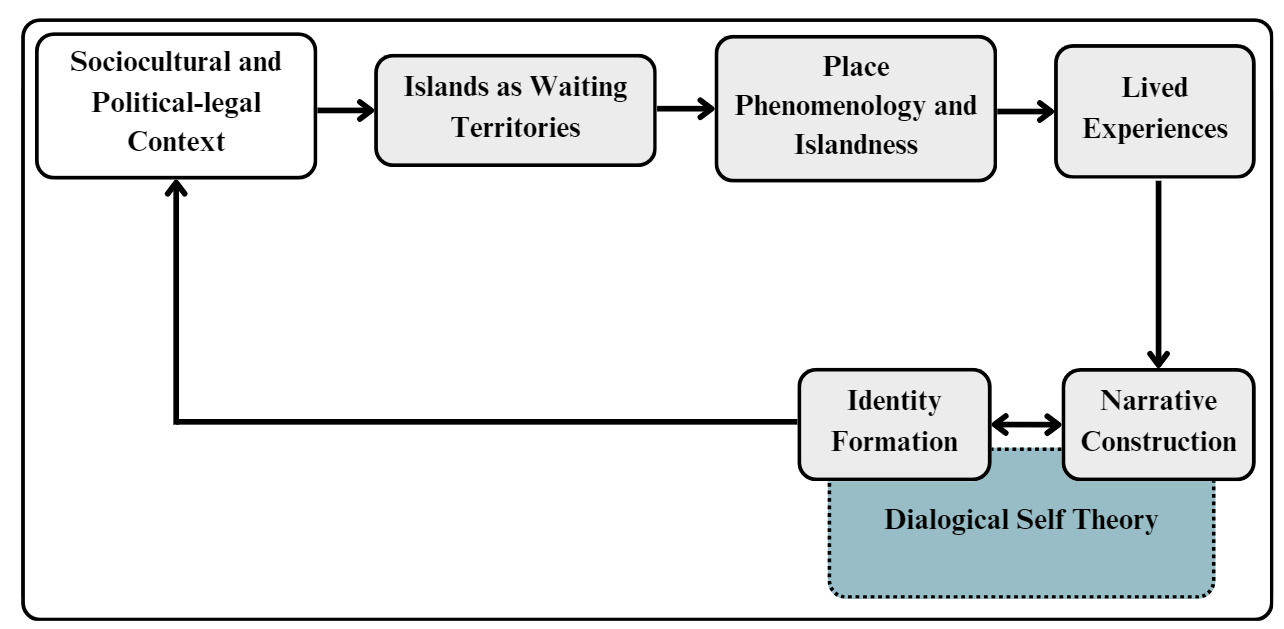
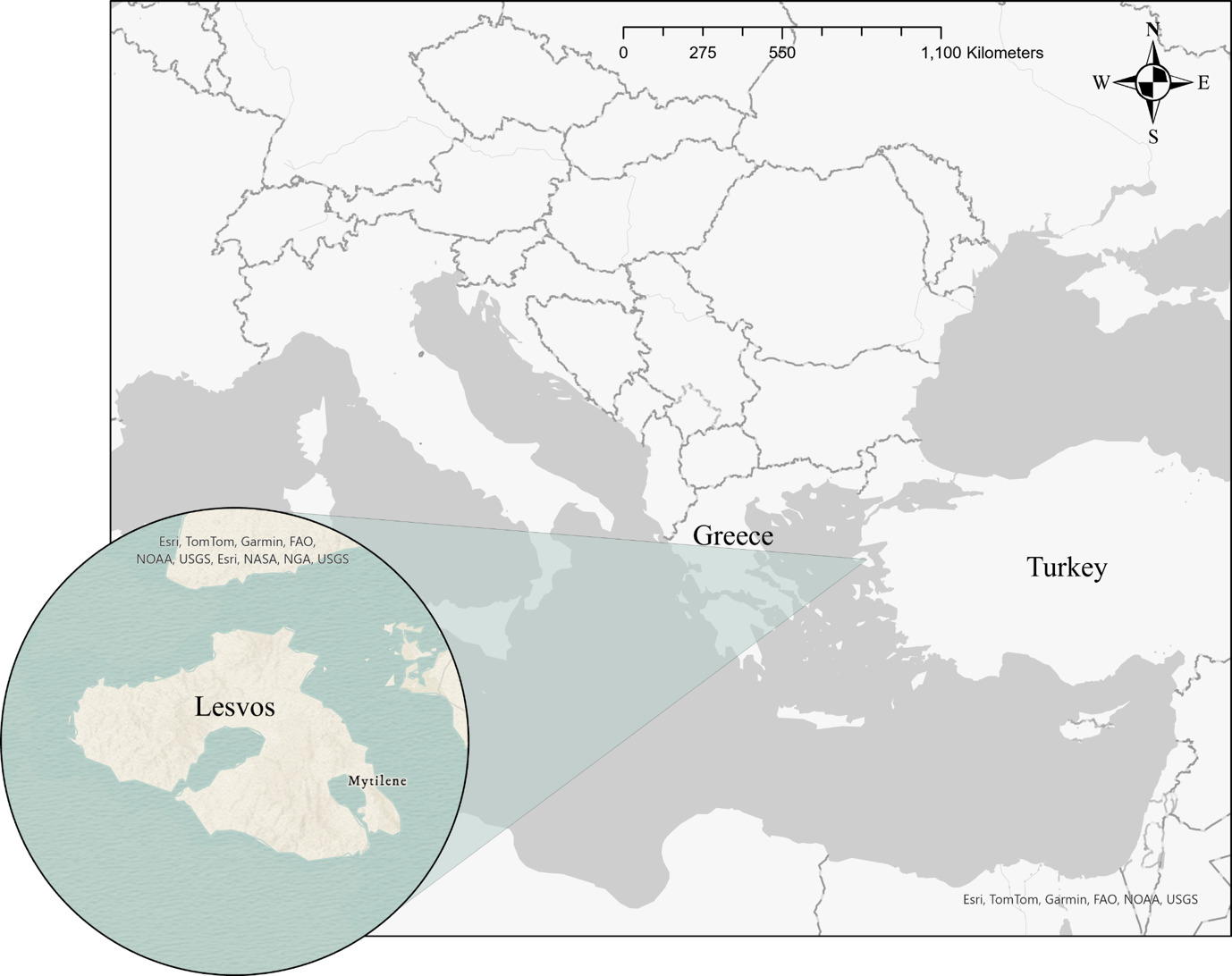
This research was centered on fieldwork conducted by the main author in 2024 on the island of Lesvos. Lesvos is a Greek island in the North Aegean Sea, situated 13 kilometers from the Turkish coast (Figure 2) and with a population of approximately 84,000. It has become emblematic of the EU’s “hotspot” approach to migration governance—practices of confinement and waiting that have been extended across European border sites (Babels, 2017; Tassin, 2016). During the 2015 peak, the island witnessed the transit of over half a million asylum seekers (UNHCR, 2015).
In response to the crisis, the EU–Turkey Statement was established in March 2016. It enforces a geographical restriction preventing new arrivals on Greek islands from Turkey from leaving the islands while their asylum applications are processed (Greek Asylum Service, 2018a, 2018b). Although sea arrivals declined substantially after 2015, they rose again in 2023 (UNHCR, 2023). According to the Ministry of Migration and Asylum, young adults (18–34) submitted 37,581 of 64,212 applications in Greece, and in February 2024 Lesvos hosted 4,532 asylum seekers (MMA, 2024).
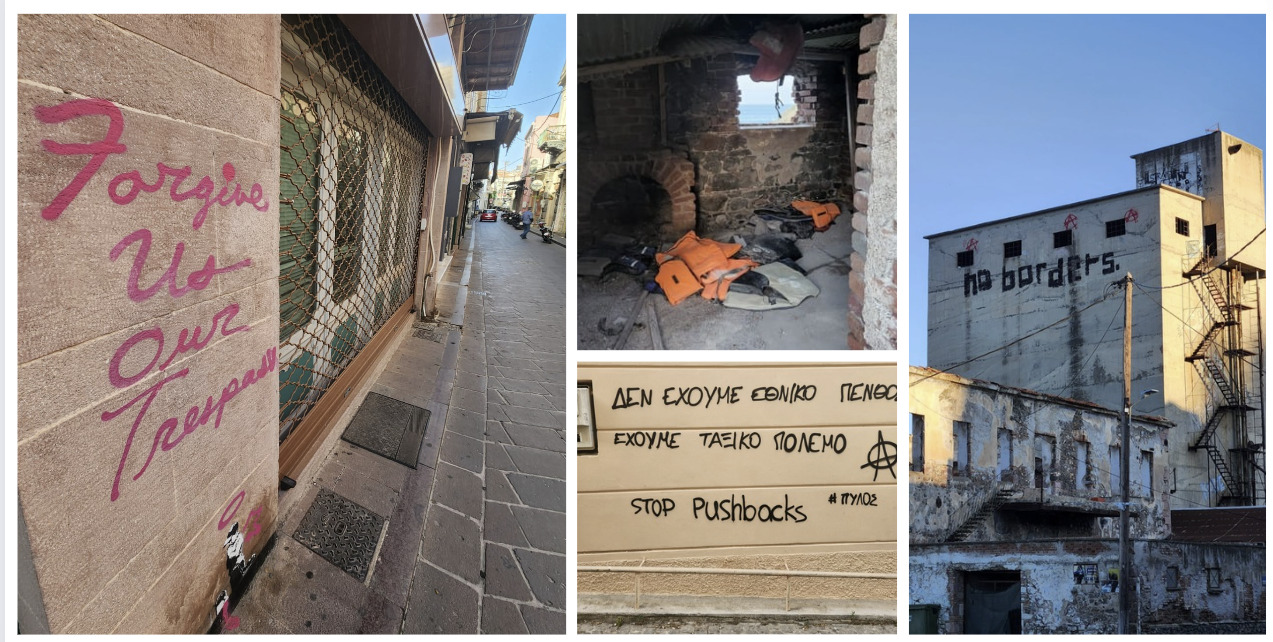
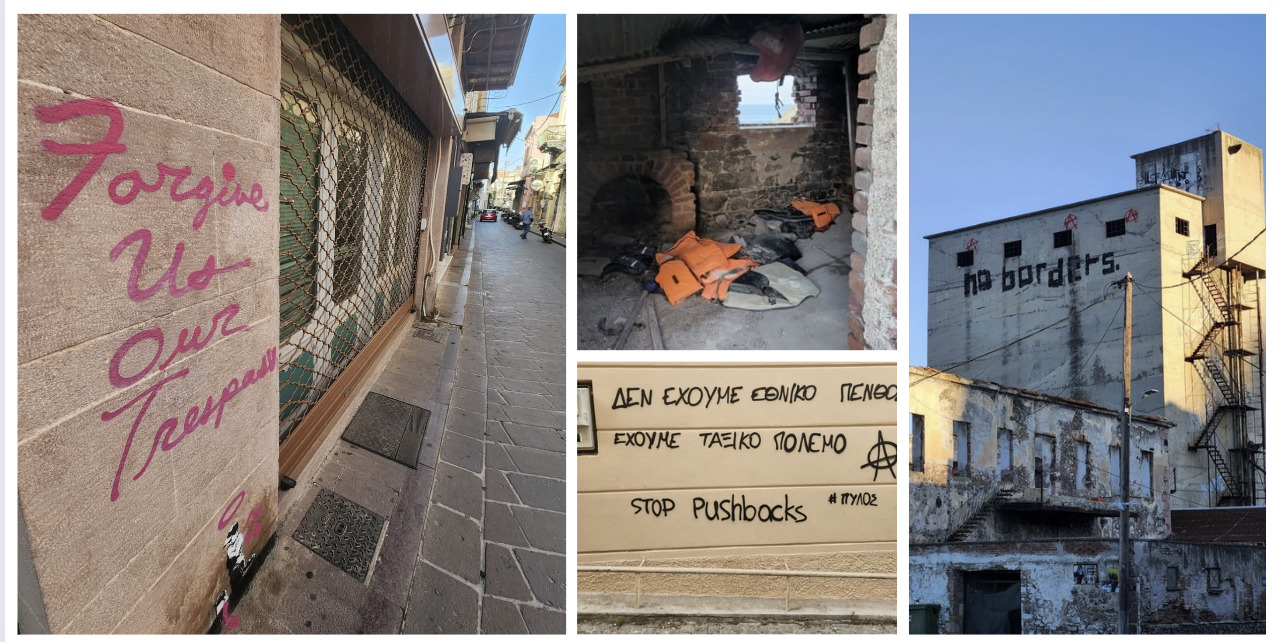
Moria refugee camp, destroyed by fire in September 2020 (MSF, 2020), was the largest camp on Lesvos, hosting as many as 19,000 asylum seekers by January 2020 despite an original capacity of 2,840 (Bell, 2020). Camp Kara Tepe (Mavrovouni) replaced Moria, yet remains marked by harsh conditions and limited access to services. The island’s strategic significance is visible in public space through material and symbolic traces, including discarded lifejackets and graffiti referencing displacement and transit (Figure 3).
3.2. Data collection
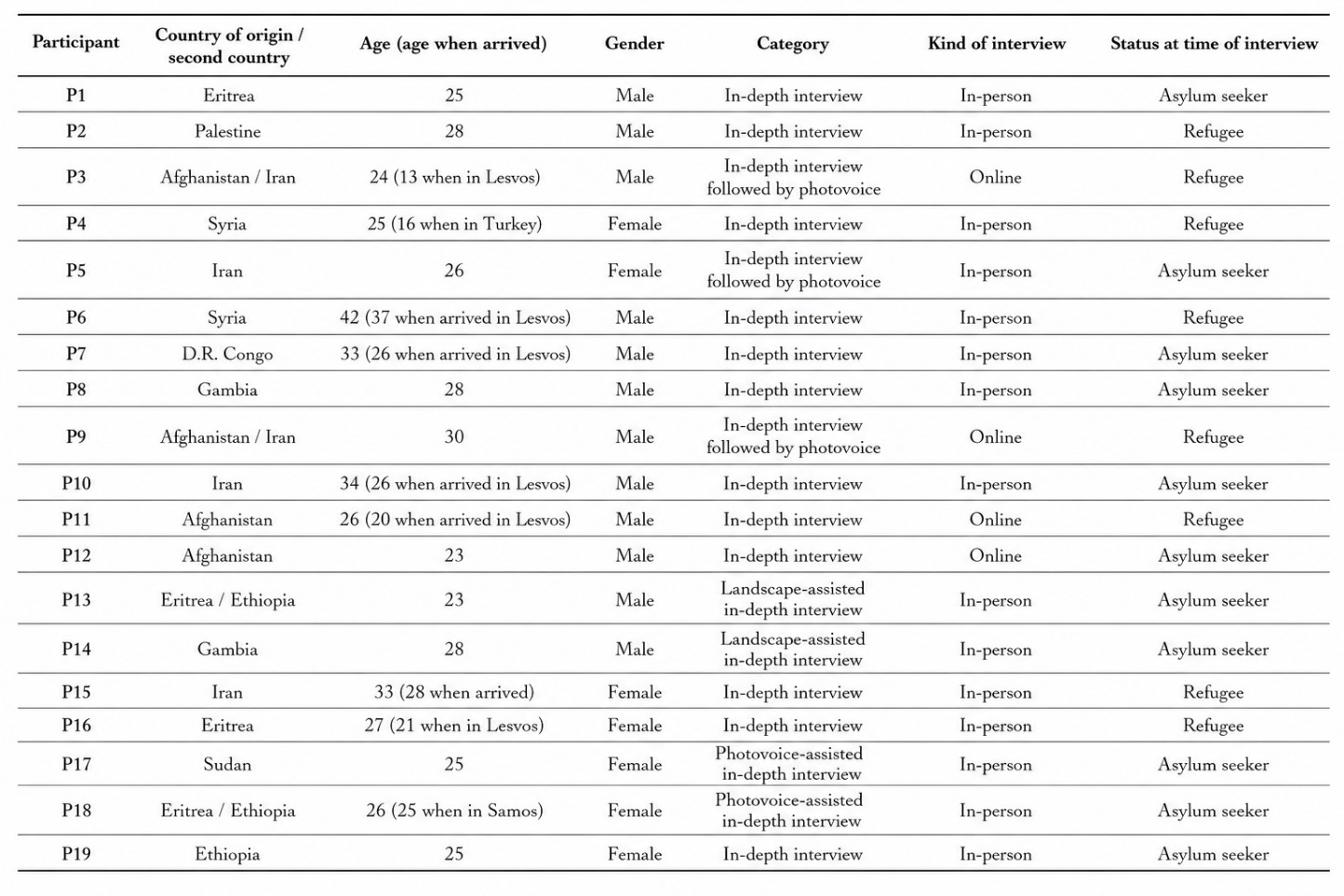
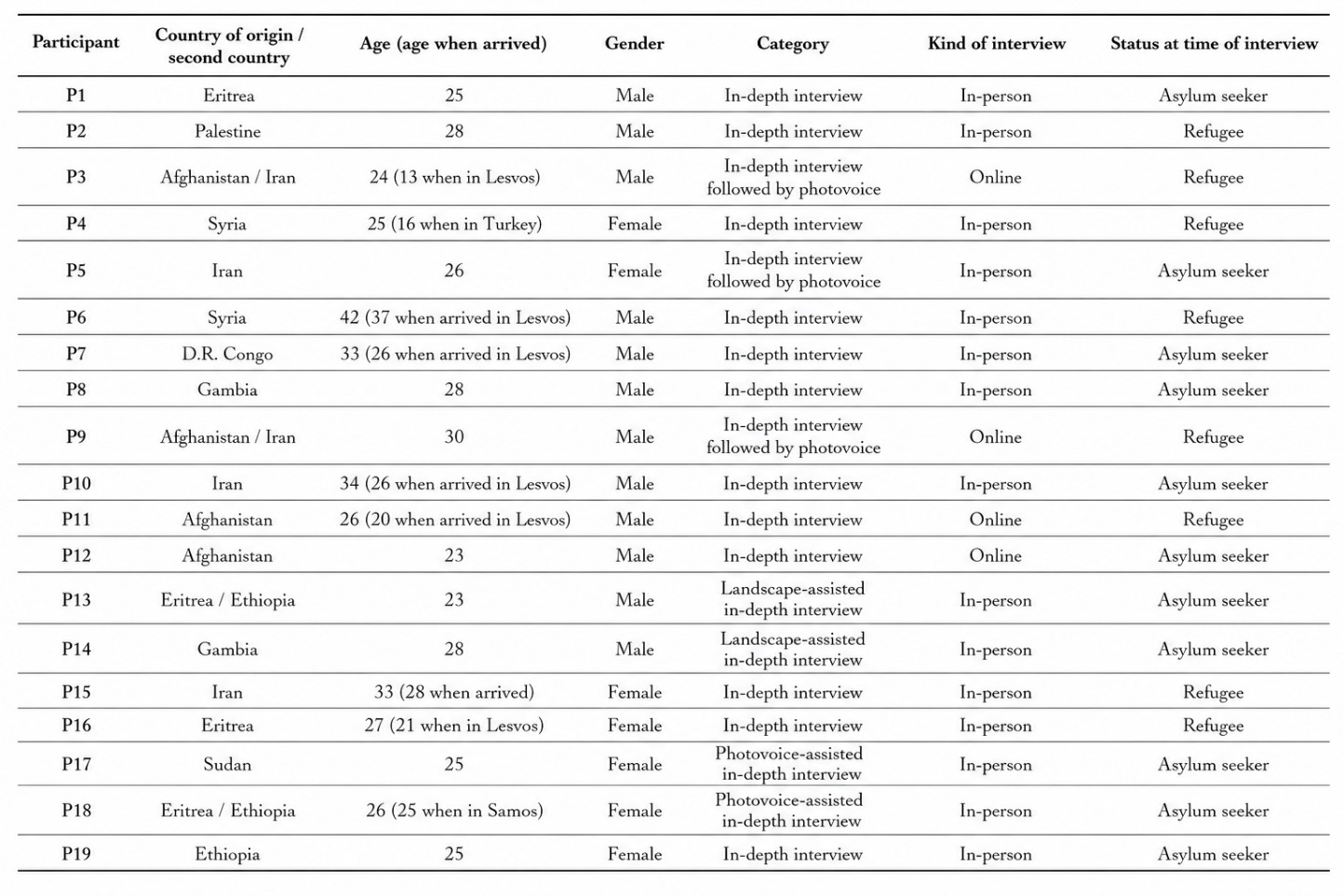
Data were generated through 19 semi-structured in-depth interviews, complemented by participant observation (via NGO volunteering), photovoice/landscape-assisted conversations, and fragmented vignettes. Interviews were inspired by McAdams’ (2001, 2006) life stories model and focused on how waiting in Lesvos and island spatiality shape identity negotiation under temporal and spatial liminality.
A purposive sampling strategy (Etikan et al., 2016; Hennink et al., 2020) was initially employed to recruit individuals in early adulthood. “Young adults” were operationally defined as approximately 18–30 years old, while recognizing that the lived boundaries of this life stage vary across contexts. As fieldwork progressed, three analytically salient trajectories informed further recruitment and analysis: (1) participants who perceived waiting as brief (often linked to faster processing associated with country of origin), (2) participants who perceived waiting as extended (often after one or more negative decisions), and (3) participants whose asylum was granted and who either moved away or stayed and reflected retrospectively on Lesvos (see Supplementary Material Table S1).
Some participants were recruited through volunteering at a local NGO, with additional introductions facilitated by NGO gatekeepers; later recruitment also used snowball sampling, particularly to increase female participation.
Diversity of participants was considered important to capture a wide range of experiences and their overlaps. The use of a semi-structured guide tailored by a life stories approach captures the construction of identities in the island both synchronically (where values, beliefs, and goals are still to be achieved, dropped, or reformulated) and diachronically, when these identity negotiation processes are being looked back at. Additionally, capturing the perspectives of participants who were both in Moria and/or Kara Tepe, marked the findings with nuances throughout time and space, as did the inclusion of participants from several countries (see Supplementary Material, Table S1).
Participant observation was conducted through volunteering at a local NGO in the vicinity of the Kara Tepe camp. Observational engagement and field diaries were used as contextual and reflexive material rather than as a systematically analyzed dataset, enabling sustained contact with asylum seekers, volunteers, and NGO members and informing interpretation of interview material (Seppälä et al., 2020).
Aimed at capturing contextual information and perceptions regarding participants, events, and interactions with greater nuance, photovoice and fragmented vignettes were employed. These methods helped address the limits of conventional social science approaches for investigating waiting and mobility through a phenomenological lens (Bissell, 2007). Out of the 19 interviews, 5 were either assisted by or followed by photovoice, and a series of 24 vignettes was produced.
Fragmented vignettes, narrative descriptions focused on specific instances, were used to illustrate detailed interactions and events, conveying the subtleties of personal and social dynamics (Hughes & Huby, 2002). They also supported sense-making during continuous contact, as participants reported recent status changes and next steps. Vignettes proved especially useful for capturing non-verbal elements (e.g., shaking legs, moments in which tears fall) and contextual detail.
Because access to the camp was denied by Greek authorities, two interviews were conducted from a viewpoint overlooking the camp, where participants were asked to point out and speak about camp spatiality. In addition, one participant recorded videos inside the camp, providing further insight into its premises.
3.3. Data analysis
While multiple qualitative techniques were employed during fieldwork, semi-structured interviews constituted the primary corpus for systematic analysis. Participant observation, photovoice, and fragmented vignettes were used as elicitation, contextual, and reflexive tools that informed interpretation and thickened the analysis, rather than as independent datasets subjected to formal analytic procedures. All in-depth interviews were recorded and transcribed verbatim. They were then coded and analyzed with the assistance of the software Atlas.ti.
The coding process employed was both deductive and inductive. Deductive coding was used based on predefined concepts, such as those inherent to the life stories approach and to DST. Such concepts guided the initial identification and categorization of themes directly related to theoretical constructs.
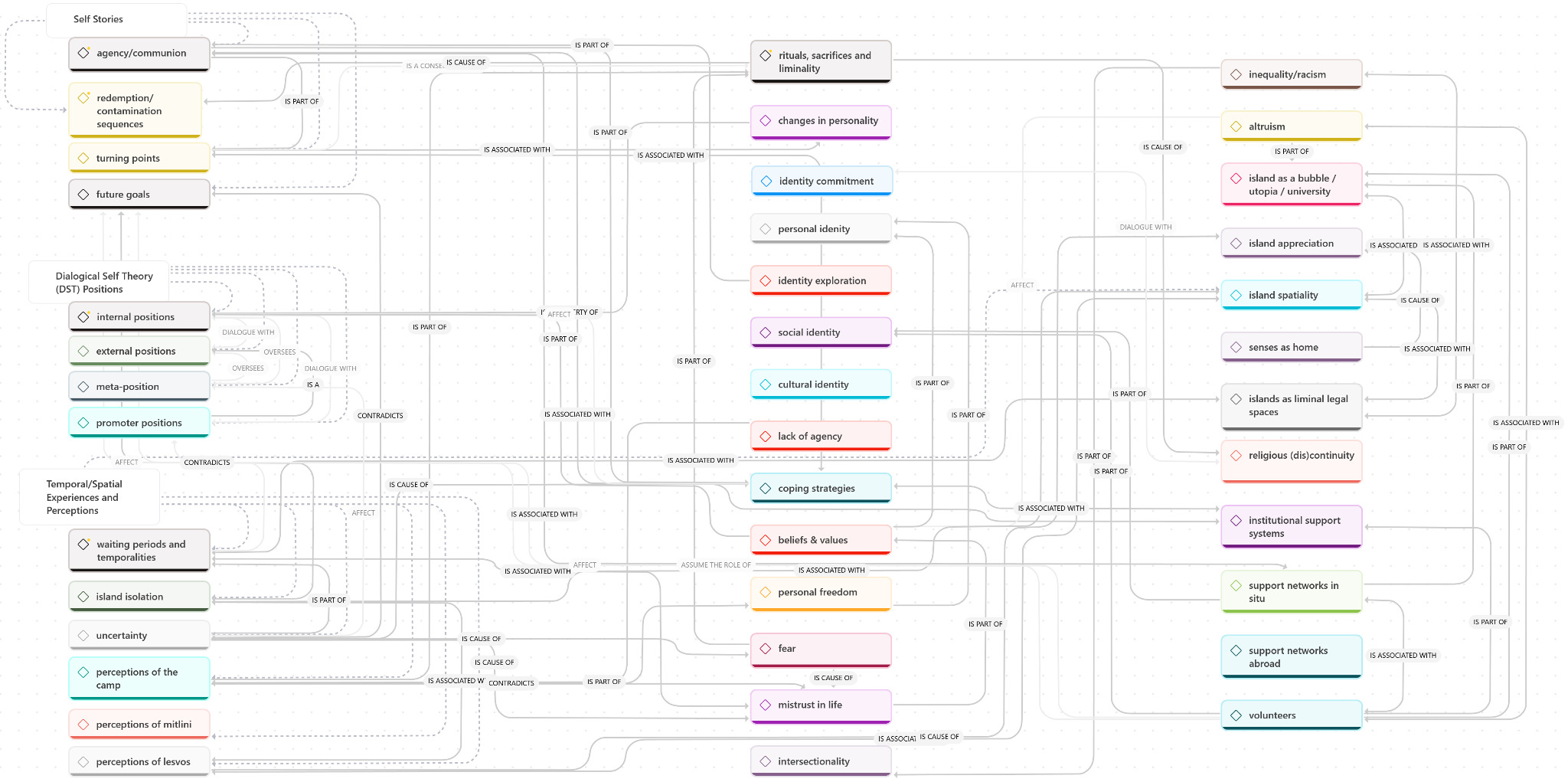
Concurrently, an inductive coding strategy was also utilized to remain open to emerging themes and patterns that were not pre-established. This approach allowed for the discovery and integration of new categories of analysis that arose organically from the data (e.g., uncertainty, racism/inequality, altruism, fear). This combination of deductive and inductive coding thus provided both a theoretically informed and data-driven insight into the complex identity negotiations of asylum seekers. Their interrelations throughout the analysis processes are represented in the code tree (Supplementary material Fig. S1).
3.4. Ethics and positionality
This research required particular sensitivity to issues of vulnerability and displacement. Informed consent was obtained, with participants fully briefed on aims and methods and reminded of their right to withdraw at any time. Confidentiality and anonymity were ensured, with recordings securely stored on an external hard drive and accessible only to the main researcher. Questions and timing were carefully considered to minimize distress, and ethical reflexivity guided the process throughout. The study was approved by the University of the Aegean ethics commission and conducted in line with the Netherlands Code of Conduct for Research Integrity (2018), safeguarding participants’ dignity and rights.
The first author’s position as both researcher and volunteer shaped access, trust, interpretation, and the relationships through which fieldwork unfolded. Several participants were met through volunteering at a local NGO, while others were introduced through NGO gatekeepers or later snowball sampling. The researcher’s own history of voluntary mobility also shaped the ethical and interpretive framing of the study, particularly in relation to participants’ legally imposed immobility and prolonged waiting. At the same time, positionality was not fixed: gender, nationality, class background, residence status in Europe, and ambiguous racial/ethnic readings in the field shaped different relations of proximity and distance with participants. In particular, the first author’s position as a man may have limited openness with some women participants, an issue partly addressed through continuous rapport, NGO-based trust, and introductions by gatekeepers.
Given the sensitive nature of research with displaced and legally precarious participants, interviews were conducted in places where participants felt comfortable, including NGO spaces, cafés, and other public or semi-public settings. No unaccompanied minors were interviewed, and no interviews were conducted inside the camp. Interviews were life-story inspired and semi-structured, allowing participants to guide the depth, rhythm, and limits of their narratives, while also making space for pauses, refusal to answer, and changes in emotional intensity. The first author’s sustained engagement with Lesvos, including volunteering and repeated interactions with some participants, also allowed fieldwork to unfold as a processual encounter rather than as a single extractive moment. This positionality was treated not as external to the research process, but as part of the conditions through which data were generated, interpreted, and ethically negotiated (Dempsey, 2018; Liamputtong, 2007).
4.0. Results
Results center on four key themes: (1) arrival, sea crossing, and the ambivalence of survival; (2) waiting temporalities and future-oriented identity; (3) identity strategies and NGO spaces; and (4) fragmented island spatiality. Across these themes, the analysis identifies several recurrent I-positions that were collectively salient across participants’ narratives, while also recognizing that each participant inhabited more varied and individualized positions. These recurrent I-positions include I as a winner, I as an asylum seeker, I as a dreamer, I as participating in NGOs, and I as an islander. Nonetheless, as the reader will notice, variations in these I-positions are also presented, alongside other, more context specific and individualized ones.
4.1. Arrival, sea crossing, and the ambivalence of survival
For many participants, the experience of arrival in Lesvos carries a symbolic weight, often described as a form of rebirth following a perilous journey where survival itself was uncertain. P19 articulates this transformation:
When you are reborn, when you come from water, from the beach, from the boat ship… You think you were born new. You are born new… Also, if I have my ID and passport, and if I’m a right girl, I can go everywhere in Europe. Do everything that I want. (P19)
The impactful quality of such an experience gives rise to the I-position of I as a winner, which carries both personal and collective meaning: “I’m a winner. Not only me. All, uh, Eritreans and Ethiopians are winners. Because, uh, our background is of winners” (P1).
I as a winner is forged in contrast to both the internal, individualized position of I as defeated (most participants have attempted the crossing several times and were pushed back or intercepted still on the Turkish shore), or with the external, collective position of those who didn’t succeed in their attempts.
Meanwhile, for some participants, the very need to undergo such a journey and struggles with its unforeseen complications appear as a particularly antithetical turning point, eliciting a negative, contamination series (McAdams & Bowman, 2001). As expressed by P5: “I am a winner. But I am not sure I want to win in these situations.” P5’s account shows how prolonged camp confinement and an indefinite, stressful wait hollow the initial winner position, bringing triumph into tension with hardship as policy-driven timelines, living conditions, and bureaucratic barriers unsettle the achievement that arrival once signified.
4.2. Waiting temporalities and future-oriented identity
Waiting periods undertaken by young adults in Lesvos factor in participants’ life stories as phases marked by uncertainty and stress, directly interfering with participants’ goals and future plans, and consequently with their unfolding identity negotiations. Thus, participants often feel exceptionally wretched during their periods of wait, especially because their life goals are on hold.
Through the collective I-position of I as an asylum seeker, individuals experience varied temporalities: sticky (elongated waiting), suspended (stagnation) and ruptured (tears in imagined time frames) (Griffiths, 2014). Elements of uncertainty, exemplified in the section below, are nonetheless experienced in varied and intersectional ways.
Although uncertainty appeared across all narratives about waiting, participants who expected to wait less often described greater capacity to cope during their time in Lesvos. When processing time begins to be perceived as extending beyond one’s expectations (or negative decisions come), the initially positive experience of “arriving in Europe” evolves into anxiety and coping strategies seem to not suffice. The I-position of I as an asylum seeker is thus added up by new layers, displaying two different facets: I as an asylum seeker who is leaving soon and I as an asylum seeker waiting indefinitely. I as an asylum seeker leaving soon reflects a sense of agency and hope, with participants engaging in plans and dreams for the future. In contrast, I as an asylum seeker waiting indefinitely emerges from prolonged uncertainty, where suspended time erodes goals and leads to withdrawal, frustration, or numbness.
In this light, especially in the case of participants who, having been on the island for a perceived short period, expect their waiting periods to end soon, the very much agentive I-position of I as a dreamer is particularly significant. This position can be interpreted as in close connection/overlap with I as an asylum seeker leaving soon, as participants who perceive their departure as imminent often exhibit a more pronounced engagement with their dreams and goals. As two participants explained:
I have a dream. I will continue my study […] Master, Doctorate, this is my first goal. (P2)
I want to be a doctor, help people. My heart is very happy to help people, it is my nature. In the future, maybe. (P13)
By contrast, if I as a dreamer is connected with I as an asylum seeker leaving soon, the I-position of I as an asylum seeker waiting indefinitely is often associated with the experience of the stealth of the mental space needed for elaborating new possibilities. As such, this position stood in tension with I as a dreamer and in close connection to the experience of a suspended temporality: “I don’t plan anything unless I have my decision. If I have my decision, that’s the way I would start to plan something for my future. But at this moment, no” (P14). Or, as illustrated by the words of P10: “Eight years waiting for nothing. Spent my whole life […] I don’t have any future and hope till I understand what’s going on to me. After that, I will make a plan, step by step.”
In fact, in not yet receiving their asylum and seeing years go by, I as an asylum seeker waiting indefinitely, notes that most personal goals (moving to a new country, raising a family, continuing studies or careers) were rendered impossible. As P7 put it: “I can’t make any plan… I had two or three big plans; they were my life. None of them were realized as I wanted.” He recalled how he once envisioned finishing his studies, supporting his parents and siblings, and building a family and good life together, but those aspirations had dissolved in the prolonged uncertainty. Concurrently, waiting was not narrated only through loss. P7 also described it as a period of learning: “This period of waiting just teaches me.” Such accounts show how prolonged waiting could be narrated ambivalently, as both damaging and formative.
A further aspect of participants’ temporal experience was its comparative dimension. Participants often observed friends and other asylum seekers receiving favorable outcomes and leaving the island, while they themselves remained. This often intensified feelings of anxiety and uncertainty, which are augmented by the circumstantial exit from one’s established in-groups (Tajfel & Turner, 2004), as “friends of yours leave you alone” (P8). These events give emergence to the experience of frenzied temporalities (Griffiths, 2014) in relation to the rapid leaves of external figures that are part, no matter how temporary, of individuals’ social identities.
4.3. Identity strategies and NGO spaces
While some individuals struggled to find enough motivation to participate in activities offered by institutional organizations due to “not being able to think about anything else” (P10) but their asylum process, others attempted to fill as much as possible of their free time in coping with the extended periods of wait.
Common strategies relied on engagement with initiatives offered by NGOs most often outside of camp premises, such as varied educational and language courses, workshops, going to the gym, to the women’s center and/or participating in sports and other body movement activities. More precisely, the initial engagement in extra-camp activities seems to be a turning point from withdrawal into participation in individuals’ narratives: “I volunteer here at [NGO name]. Now, it’s been almost 50 days of work. Before, all the other days, I was sleeping all day. Sleep, go to the food line, and repeat” (P13).
As the above quote illustrates, the broader position of I as an asylum seeker is counter-positioned by the emerging I-position of I as participating in NGOs. The space in which institutional support activities take place is therefore marked by communion and a series of positive associations related with personal growth and identity, social interaction, and experiential structure (Csikszentmihalyi, 1990) through a semblance of normalcy and routine.
Functioning as an interactive learning environment, the island is often referred to in terms of education and discovery: a “university”. Nonetheless, this seemed to be less because of educational activities per se, but particularly so due to the experience being perceived as a “first contact with European identity and the occidental world” (P11), which is especially framed around the interactions with volunteers and NGO workers from a diverse range of nationalities.
4.4. Volunteers as promoter positions
Volunteers who participate in NGOs on the island bring their own set of expectations and predispositions (Guribye & Mydland, 2018). These are coupled with a selective display of themselves, often related to kindness, openness and philanthropic behavior. As such, international NGO volunteers/workers often assumed, in the society of the mind of asylum seekers, the role of promoter positions: external but internalized voices that supported, encouraged, or opened up future-oriented possibilities. This is described in the following excerpt:
There is one guy I mingled with… He is a very, very good man, a very kind hearted man. He always supports me and always encourages me […] The people I met now, they are making me like this island more. (P14)
Although these promoter positions were often positive and needed, they also function in an ambiguous manner. Asylum seekers who had their first sustained contact with Europeans through socialization with volunteers tended to assume that these are truthful representatives of the countries they are coming from. Such an interpretation interferes with asylum seekers’ beliefs, goals, and future plans, as the external promoter positions of humanitarian, altruistic, or sociable volunteers were sometimes stretched to an external collective (e.g. Germans, Dutch, French, or Europeans). This dynamic is well-captured by P11, who was in Lesvos for over two years and later reflected on the contrast between Lesvos and post-migration life elsewhere:
The kindness that you see in Lesvos does not exist outside, but you get introduced to that kindness in Lesvos as a refugee and you think that this is the reality of Europe […] No… That’s not true. When you get out of there, when you come to Paris, when you see how many thousands of people are sleeping in the street… That is the reality out of Lesvos. (P11)
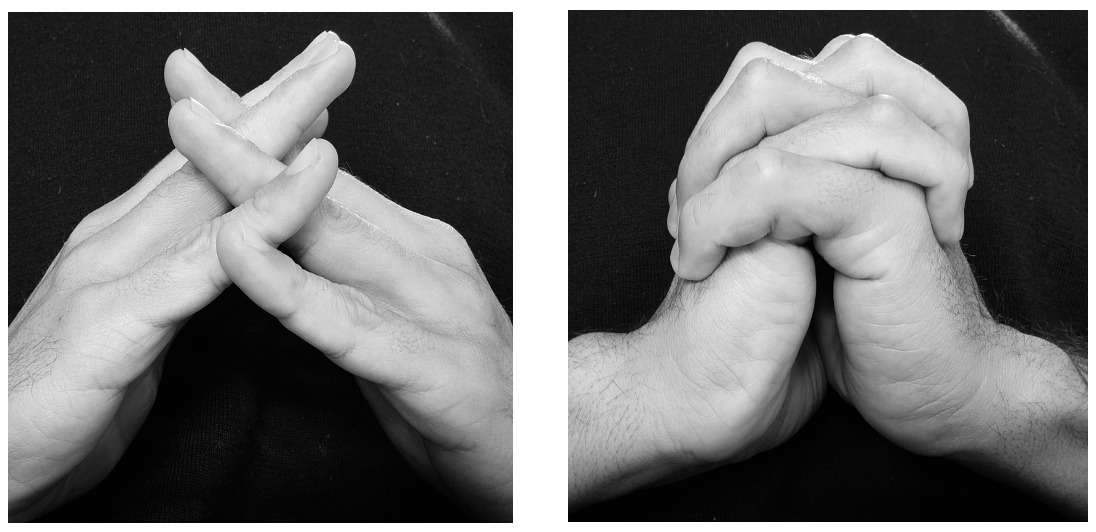
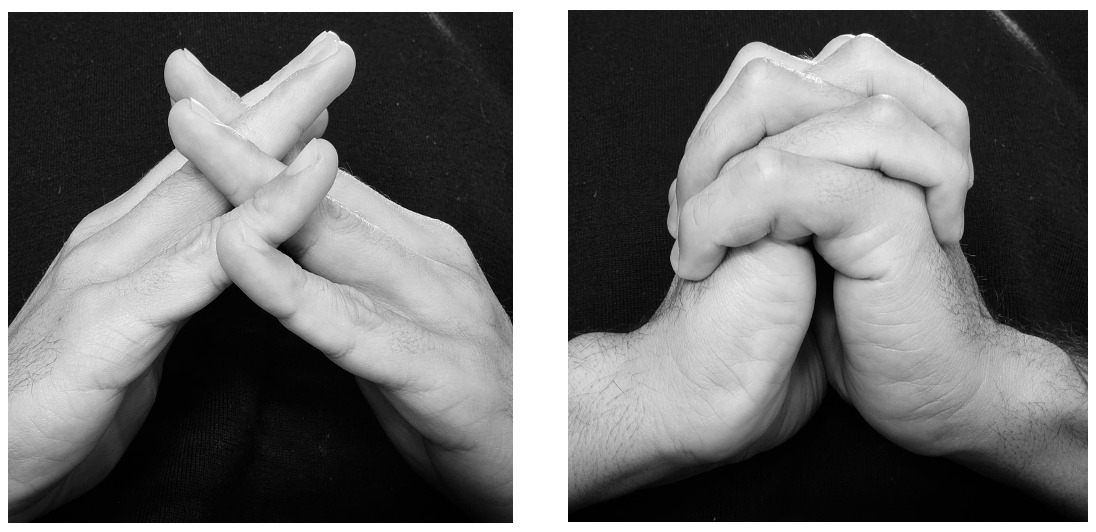
In parallel, some participants described social relations in Lesvos as more cohesive than those experienced in mainland settings. Figure 4 represents this contrast through the hand signs of a participant (replicated by the author) with extensive engagement in both Athens and Lesvos, where social ties in NGO spaces were described as weaker in Athens and more cohesive in Lesvos.
4.5. Fragmented island spatiality: camp, NGO, town, and island life
The island space was experienced in fragmented and intersectional ways. Participants did not describe Lesvos as a single, coherent place, but through specific spaces and the feelings, restrictions, and possibilities attached to them. Participants engaged with NGOs, through their offered activities and space for conviviality, relate to specific sets of positive emotions and I-positions such as I as participating in NGOs (e.g., belonging, feeling respected, valued) and I as a dreamer. By contrast, the spatiality of the camp was associated with an antagonistic set of I-positions marked by an array of negative emotions, stress, uncertainty, sadness and unpredictable legal processes, and the broader I-position of I as an asylum seeker. Speaking of his contrasting experiences in these spaces, P14 states:
I have good days, sometimes… Especially when I come here (at the NGO space). Because we are with different people, we make jokes, my mind is free. But as soon as I enter the camp, everything gets back to my brain. (P14)
Similarly, P12 notes that: “being outside of the camp, I am good, because I am not thinking about the decision. But when I come into the camp, I lock in” (P12).
Occasionally, the biopolitical impositions of the camp and its associated temporalities (Topak, 2020) are disrupted, offering experiences of liberating normalcy. P18 describes one such instance:
They invited me for dinner and I spent the night with them. For the first time, on that day, I felt normal. I didn’t have to go back to camp. Because in the camp we have a time limit—after nine o’clock, you cannot come back, you have to spend the night outside. And for the first time, I was feeling like a normal person. (P18)
Feeling like a “normal person” for the first time when sleeping over at a friend’s house. Here, the I-position of I as an asylum seeker contrasts with I as a normal person/civilian, and this counter-position is explicitly spatialized. Normalcy is not described only as access to services or activities, but as a release from the imposed temporal and spatial restrictions of the camp.
For asylum seekers primarily confined to the camp, the usual advantages and disadvantages associated with island life, such as isolation, boundedness, proximity, or slowness, were often less immediately relevant than the constraints of camp life itself. Their everyday awareness was shaped primarily by asylum procedures, legal uncertainty, and camp spatiality, which often overshadowed broader experiences of insularity. Thus, the I-position of I as an islander was frequently subordinated to I as an asylum seeker.
Nonetheless, for participants who stayed longer in Lesvos and moved out of the camp to live either in Mytilene or in surrounding villages, perceptions associated with the collective position of I as an islander began to be more often experienced and reported. These included appreciated temporalities, smallness, conviviality, frugality and values of slowness and moderation, but also the lack of access to needed doctors and health services, to jobs, educational opportunities, and even the feeling of “knowing everyone and always listening to the same conversations” (P10). These characteristics were, however, experienced in close relation to the broader theme of agency. For those who opted to stay on the island after a positive legal decision, they were often spoken of in positive terms. For those obliged to remain, they carried mostly negative connotations.
5.0. Discussion
Drawing on Dialogical Self Theory, this study examines how prolonged waiting on Lesvos interferes with identity formation by reconfiguring the temporal and spatial conditions under which narrative selfhood is sustained. Across participants’ accounts, recurring I-positions emerge in tension and partial overlap, and their relative salience shifts with legal status changes and with movement across island micro-spaces. As perceived processing time extends, future-oriented agency (most visibly in I as a dreamer) tends to erode, and self-narratives are forced to work around uncertainty. Prolonged waiting thus becomes a turning point that can generate either redemption sequences (I as patient) or contamination sequences (I as an asylum seeker waiting indefinitely). At the same time, the findings show that Lesvos does not operate as a uniform island setting, but as a differentiated spatial field shaped by access, restriction, sociality, and legal status.
5.1. Identity, self-stories, and Dialogical Self Theory
Participants’ narratives show how waiting in Lesvos functions as a liminal stage of uncertainty, leading to shifts in self-conception. These accounts reinforce McAdams’ (1993, 2001, 2006) understanding that identity is constructed through self-stories, and foreground the role of narrative coherence in coping with adversity, an issue placed under strain during extended uncertainty.
Several I-positions (internal and external, collective and individualized) emerge in the interstices of Lesvos as a liminal territory, illustrating DST’s applicability in contexts of migration and liminality. These I-positions are marked by frictions of temporality, spatiality, and social/legal status.
Despite dwelling in uncertainty that cannot be resolved by personal willingness alone, participants are often able to identify and speak of their internal I-positions. Overseeing one’s positioning requires the distancing characteristic of a meta-position (Hermans, 2013). Yet the main function of meta-positions—to foresee, compare, and plan—remains constrained as life goals and personal timeframes are put on hold. Put simply, asylum seekers are compelled to inhabit prolonged meta-positions which, despite offering a reflective vantage point, are hindered from proactive future planning by the uncertainty of asylum processes, leaving participants feeling “stuck in their minds.”
Given the contradictory nature of I-positions in contexts of liminality and uncertainty, the creation of narratives that accommodate multiple voices in search of unity and purpose (McAdams, 2001) is challenged. The emergence of third positions that could mitigate conflicts between other I-positions is often limited from an individual perspective, insofar as such resolutions (e.g., between I as an asylum seeker waiting indefinitely and I as a dreamer) depend on top-down decisions embedded in external political-legal frameworks.
5.2. Spatial-temporal constraints, and identity positioning
Although conflicting voices and I-positions are inherent parts of the migrant self and do not need to be harmonious with each other (Bhatia, 2002), I-positions produced by unfair, untimely, and externally imposed political-legal frameworks add an avoidable layer of constraint to asylum seekers’ positioning.
Islands function as strategic locations in the geopolitics of international migration (King, 2009), evident here in their effects on migrants’ I-positions. Raggatt (2012) argues that “outside forces, both historical and cultural, also drive positioning movements, and these can lead variously to innovation, disorganization, integration or restriction of the position repertoire” (p. 42). In Lesvos, these processes are spatialized and differentiated across the island, making it essential to attend to the spatial dimension and the meanings attached to particular places and to the unequal access they enable or restrict.
Different temporalities coexist in one’s perception (Griffiths, 2014), and their experience interacts with the specificity of places and their connotations. The perceived isolation of islands also shapes envisionments and possibilities of movement, with smallness becoming effective at the intersection of islandness and (im)mobility policies (Nimführ & Otto, 2021). Rotter (2016), in relation to asylum seekers’ experiences in Glasgow, notes that individuals describe their time as stagnant and their waiting as passive, while arguing that waiting is also affective and active. This research shows how stagnancy and passivity can coexist with affective and active dimensions through different I-positions. In their contrapuntal dimensions of agency and passivity, I-positions also reveal how these dynamics are associated with specific spatialities and temporalities.
Khosravi (2020) argues that waiting is not merely suspended time but an interaction between the now and the not-yet. In line with this, and acknowledging the coexistence of divergent I-positions, this study shows how agency is expressed through coping strategies, social practices, and future envisionment. However, as waiting prolongs and negative decisions accumulate, individuals often withdraw from coping activities and stop planning for the future. This aligns with Bendixsen and Eriksen (2018) on Palestinian asylum seekers in Oslo, where social engagement initially makes waiting feel meaningful but, if unresolved, is ultimately perceived as futile. Sticky and suspended temporalities thus predominate, punctuated by ruptures and occasional frenzied episodes, such as rapid departures and reconfigurations of self/others (Griffiths, 2014).
In DST terms, I as a dreamer can become suppressed by the monologue of I as an asylum seeker waiting indefinitely, as uncertainty puts plans on hold and removes control over one’s future. From a cognitive psychology perspective, with life goals in suspension, autobiographical information—the building blocks of self-narratives—may be compromised in its organization and absorption (Conway & Pleydell-Pearce, 2000; McAdams, 2001).
5.3. Agency, NGO spaces, and ambivalence
For many participants, starting to actively volunteer or participate in NGOs is a key turning point in their narratives. These engagements provide immediate relief from the stresses of displacement while also influencing asylum seekers’ self-conceptions. They often introduce new social networks and skill sets, reinforcing a sense of agency and communion, as well as potential for personal development (see Hynie, 2018).
In terms of centering and decentering movements within the self (Hermans & Gieser, 2011), contact with NGOs and their volunteers often functions as a decentering movement that disrupts a position repertoire mostly tied to camp spatiality, while also enabling a centering process that supports the organization of a new repertoire. Through this process, the I-position of I as participating in NGOs can temporarily counter the passivity, institutional dependence, and uncertainty associated with I as an asylum seeker.
By rebelling against imposed passivity and clientification, asylum seekers challenge the political order through which state power is expressed and where temporal autonomy is unequally distributed (Bendixsen & Eriksen, 2018). In Lesvos, graffiti, protests and manifestations observed during this research, and fundraising rallies around the island exemplify this challenge, alongside individuals’ continued envisionments of a future.
Coping mechanisms that instill a sense of control and purpose help mitigate the psychological toll of uncertainty, stabilizing I-positions (Hermans & Hermans-Konopka, 2010) and supporting identity coherence. However, the unpredictability of asylum processes deters many from engaging with NGOs, as outcomes remain unknown (Griffiths, 2014). As I-positions arise and subside with movement through island space (and with time and legal status changes), the island is not merely a setting but participates dialogically in shaping these perceptions.
At the same time, promoter positions tied to NGO workers and volunteers are ambivalent. While they may support agency, recognition, and future orientation, they may also contribute to idealized understandings of Europe when volunteers are interpreted as representatives of wider European societies. Given the bounded and intensified social configurations of Lesvos, identities tied to NGO interactions are likely to be decentered again as individuals continue their journeys in other countries. The island environment thus becomes a visible site of cultural-historical globalization processes, marked by intensified migration and intercultural interactions that entail hybridizing and decentering movements in the self (Hermans & Hermans-Konopka, 2010). At the same time, these movements are shaped by island spatiality, humanitarian infrastructures, bounded conviviality, and by the views that volunteers, tourists, and voluntourists often entertain of insular landscapes (Guribye & Mydland, 2018; Wearing & McGehee, 2013).
5.4. Islandness, access, and internally differentiated spatiality
The phenomenological approach used throughout this research reveals how Lesvos island’s spatiality and character interact with asylum seekers’ experiences and identity negotiations. It underscores the significance of place in shaping psychological and social outcomes. Islandness is therefore not treated here as a stable attribute, but as relational, situated, and politically produced, marked by the “imprecision and subjectivity that permeate the issue” (Foley et al., 2023, p. 1809). As Foley et al. (2023) suggest, individual perceptions of islandness may range broadly, from isolation and remoteness to a sense of the sea as a road toward the rest of the world. Lesvos thus appears as a space where sea-boundedness, geographical restriction, camp spatiality, asylum procedures, NGO infrastructures, and imagined onward mobility intersect—an island where, like all others, a universal and objectively correct understanding is not possible (Grydehøj et al., 2025).
In this sense, the study offers a perspective on insularity through the lens of asylum seekers, while also showing that islandness and insularity are perceived differently by participants in their multiple I-positions. For participants primarily confined to camp life and legal uncertainty, the problematics often associated with insularity were less immediately relevant than the constraints of asylum procedures and camp spatiality. In these accounts, Lesvos was experienced less through general qualities such as slowness, proximity, smallness, or conviviality, and more through suspended futures, restricted movement, institutional dependence, and limited access. By contrast, for participants who moved through NGO spaces, stayed longer, received documents, or began to inhabit Mytilene and surrounding villages more fully, other aspects of island life became more visible, including familiarity, social proximity, limited opportunities, and possible belonging.
Hay (2006) notes how "‘homeness’ mandates a deep, ongoing conversation with place” (p. 32) and draws on Relph, who highlights that such a conversation with place is as necessary as close social relationships with people. Similarly, Fathi (2021) speaks of the complexities of home in migration as being composed of the contradiction of roots and uprooting and by the need for a sense of belonging and of being recognized. In the context of this research, the fulfillment of this need for recognition was explored through the place-bounded I-position of I as participating in NGOs. In contrast to the spatiality of NGOs, the camp, described by Fathi (2021) as fitting the category of “unhomes,” is remarkable where individual agency is perceived as suppressed, thus being associated with the I-position of I as an asylum seeker.
Access is therefore central to how islandness is experienced. In line with Foley et al.'s (2023) suggestion that connection, rather than isolation alone, may be key to understanding islandness, access offers a useful way to capture how mobility, immobility, and island sociality are experienced differently by different actors. The island is not only bounded by the sea; it is also structured through access and non-access: to documents, legal decisions, healthcare, education, employment, sociality, advocacy networks, and the possibility of leaving (see also Ribot & Peluso, 2003). This is especially relevant in island asylum contexts, where geography, distance, and sea-boundedness may be used to mediate, restrict, or deny access to legal support, advocacy networks, and onward mobility (Mountz, 2011; Mountz et al., 2013).
As a result, this study recognizes Massey’s “geometries of power” (Massey, 1994), acknowledging the multitude of meanings that can be integrated to the island as a place and to different places within an island, from a sense of entrapment and opportunity denied to the choice, upon agency, to stay and make the island a home (Hay, 2006). Although everyday practices seem to be more important in homing than geographical places themselves (Accarigi, 2017), this investigation highlights that everyday practices, in their very existence and configurations, are, in fact, posed by geographicity, power relationships and the geopolitical frameworks of migration.
Dialogical Self Theory adds a further layer to this argument. If critical island studies show that islandness is relational and context-dependent, the present analysis suggests that islandness may also be internally differentiated within individuals. Nimführ & Otto (2021), for instance, argue for a view of smallness (a characteristic commonly attributed to islands) as a relational concept, connected to “perceptions, experiences, and ascriptions” (p. 39). We add that such differentiations are often not only between groups or individuals, but also within oneself and one’s own multiplicity of I-positions. The same individual may experience Lesvos differently depending on which I-position is foregrounded, which spaces are accessible, and whether the future is imagined as open, delayed, or foreclosed. In this sense, islandness becomes part of the dialogical organization of the self, shaping and being shaped by positions of survival, waiting, dreaming, participation, confinement, and possible belonging. Some of the I-positions identified in this study could also emerge in mainland camps or urban asylum contexts, particularly those related to waiting, aspiration, uncertainty, and institutional categorization. The island-specific contribution is therefore not that these positions are exclusive to islands, but that in Lesvos they are reorganized through a particular island-border assemblage.
6.0. Conclusion
This research on how periods of wait experienced by young adult asylum seekers on the island of Lesvos affect the negotiation and construction of identity reveals how nuanced, divergent I-positions arise and subside in relation to time and space. It highlights how Lesvos’s multilayered spatiality, combined with the temporalities and uncertainty of asylum processes, profoundly shapes identity formation.
Through deductive and inductive qualitative analysis, this research shows how asylum seekers navigate prolonged waiting through coping strategies, including engagement with NGOs and volunteers, within which I-positions and promoter positions also emerge. The interplay between personal agency, structural constraints, and the symbolic meanings attached to island space underscores the complexity of identity formation under forced waiting and liminality. It also shows how broader asylum policies—procedures, timelines, and geographical restrictions—ultimately affect, promote, and/or block identity negotiation. Rather than treating Lesvos as a generalizable example of islandness, the article has shown how one specific island-border assemblage shapes identity negotiation through changing relations of waiting, access, spatiality, and legal uncertainty. Importantly, these shifts are not merely theoretical: when future-oriented positions (e.g., I as a dreamer) are repeatedly decentered by prolonged uncertainty, participants’ capacity to plan, sustain motivation, and maintain a coherent self-narrative is weakened, often accompanied by withdrawal from coping activities and social engagement. In this sense, waiting operates as a psychosocial intervention enacted through policy: procedural timelines, geographical restriction, and repeated deferrals do not only manage mobility, but also reorganize the self by shaping which positions can be sustained over time. These findings suggest that reducing administrative uncertainty and prolonged island containment—while ensuring access to meaningful routines, social support, and timely decisions—should be understood not only as matters of efficiency, but as interventions with direct consequences for wellbeing and identity development.
Funding Statement
This study was supported by the Erasmus Mundus Joint Master programme ISLANDS (Islands and Sustainability) under Erasmus Mundus Grant Agreement/Project No. 101050349.
Acknowledgements
We are deeply grateful to all participants who shared their life stories and experiences for the purposes of this study. These exchanges, conversations, and moments shared changed the first author profoundly. We are also grateful to Vannak Khin, a friend and fellow researcher, for his constant help, openness, and care. We thank Yoga and Sports with Refugees for their support and for facilitating this research. The first author would also like to express gratitude to the Aegean waters, which were, for him, a place of relief, integration, and reflection. We would like to thank Professor Electra Petracou and Professor Thanasis Kizos for their guidance and support throughout this research.
Ethical Approval
Ethical review and approval were obtained from the Research Ethics and Deontology Committee (E.H.D.E.) of the University of the Aegean (protocol A.P. 34024/31.07.2024).